Exploring the World of Skateboarding: Styles, Culture, and Community

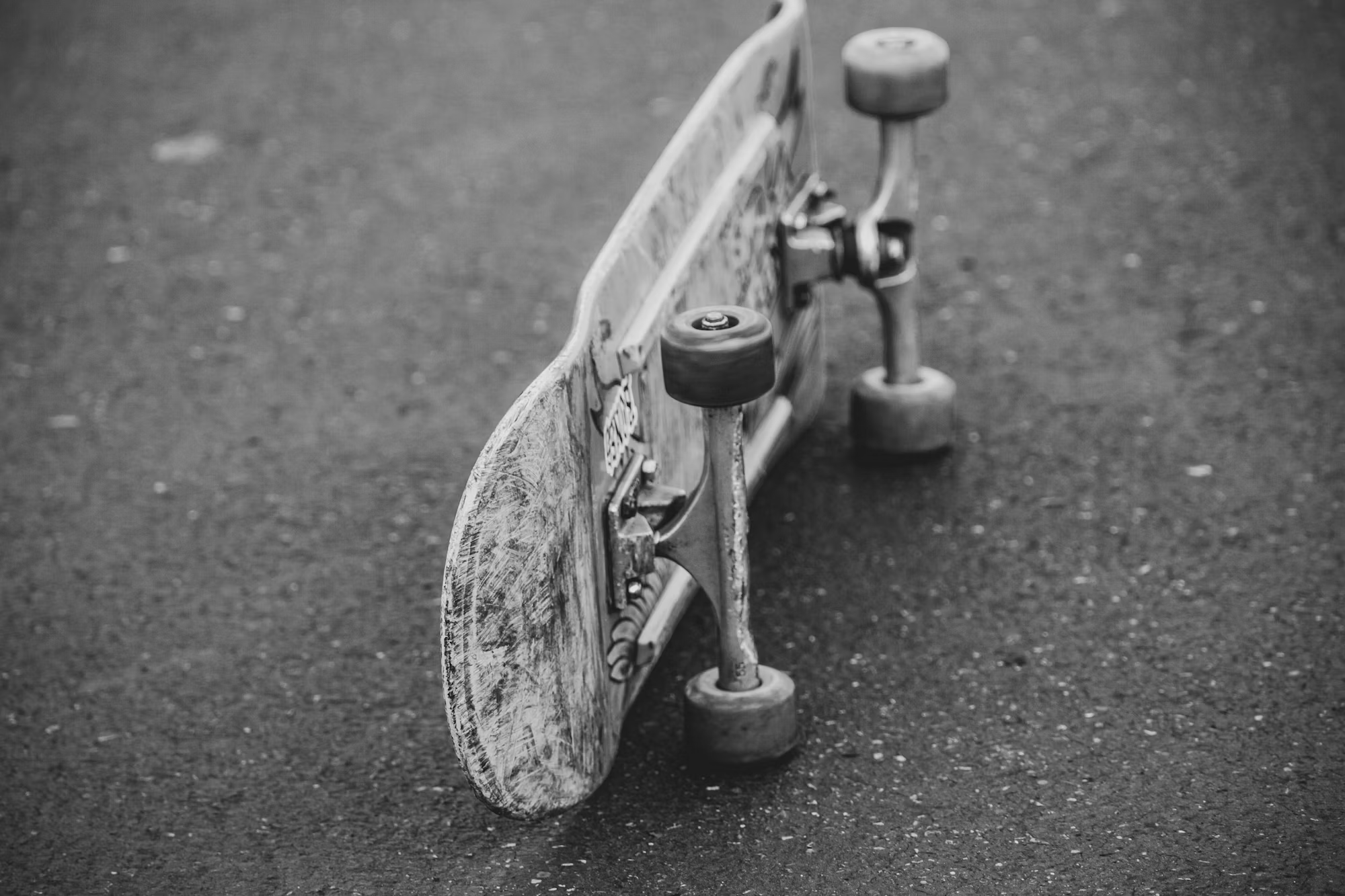
Skateboarding has transcended its origins to become a global phenomenon, embracing a myriad of styles and techniques. From the bustling streets of urban environments to the smooth curves of skateparks, skateboarding offers something for everyone. This article explores the diverse styles of skateboarding, the cultural significance behind them, and the strong sense of community that defines this exhilarating sport.

The roots of skateboarding can be traced back to the 1940s in California, where surfers sought to replicate the thrill of riding waves on land. The first skateboards were made from wooden boxes with roller skate wheels attached, providing a simple yet effective way to glide along sidewalks. As the sport gained popularity, it evolved into various styles, each reflecting the unique creativity and skills of its practitioners.

Street skateboarding is perhaps the most recognized style, characterized by the use of urban environments as a playground. Skaters perform tricks on curbs, stairs, benches, and handrails, turning the city into a canvas for their artistry. This style emphasizes innovation, as skaters must adapt their skills to the surroundings. The creativity involved in street skating allows for personal expression, making it an appealing choice for many.

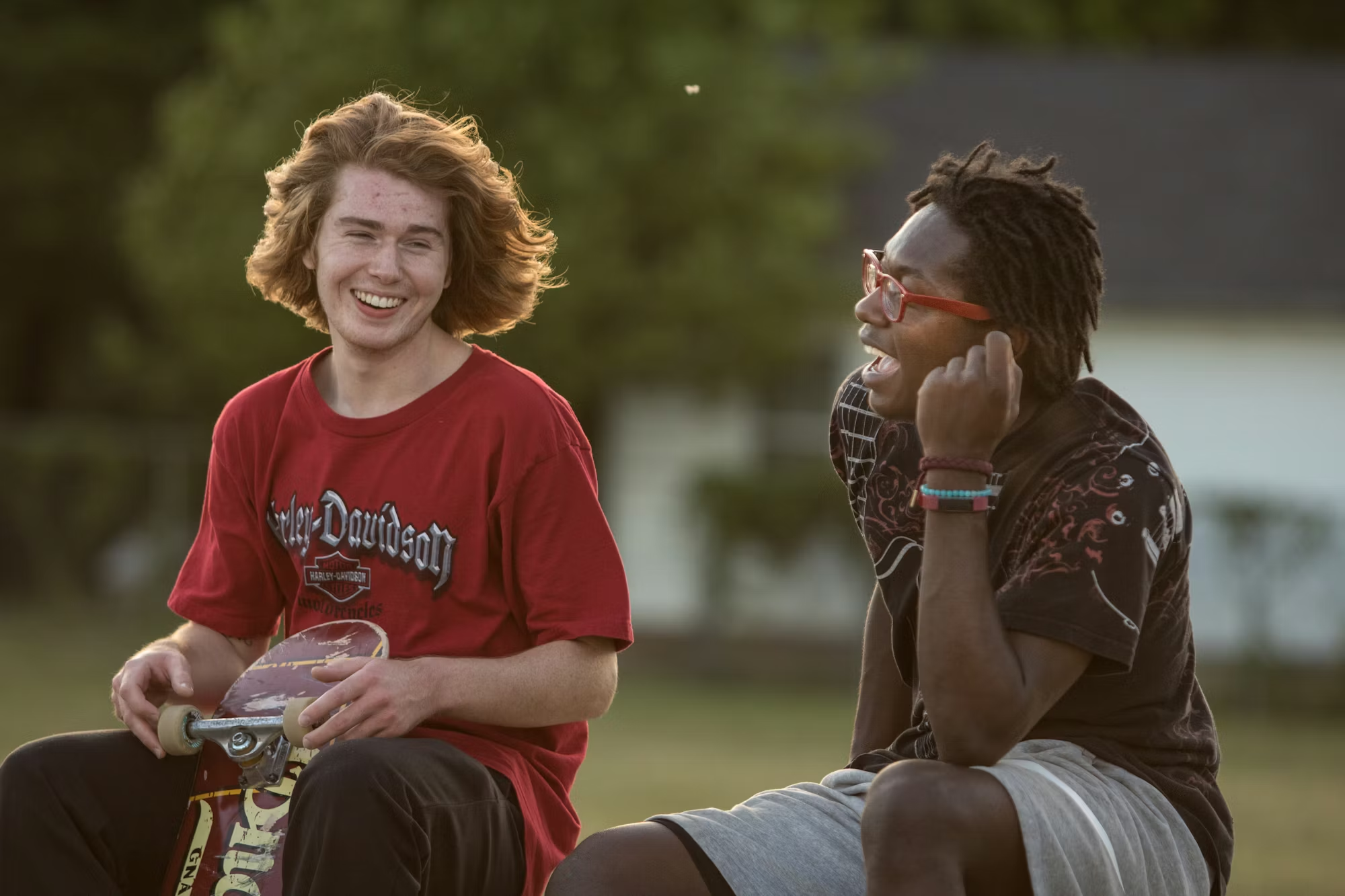
In street skating, the social aspect is crucial. Skaters often form tight-knit communities, supporting and challenging one another. The camaraderie that develops among skaters fosters an inclusive environment, where individuals of all skill levels can learn and grow together. Skateboarding videos and social media have further connected this community, allowing skaters to share their progress and inspire one another globally.

Another prominent style is vert skateboarding, which focuses on performing tricks in halfpipes or vertical ramps. This discipline is known for its high-flying aerial maneuvers, where skaters launch themselves into the air, executing flips and spins. The thrill of vert skating comes not only from the tricks themselves but also from the adrenaline rush of height and speed.

Competitions such as the X Games showcase the best in vert skating, attracting audiences who marvel at the athletes’ skills. These events create a sense of excitement and motivation within the community, as skaters strive to improve and achieve their personal bests. The support from fellow skaters during competitions reinforces the strong bond within the vert skating culture, where encouragement is abundant.

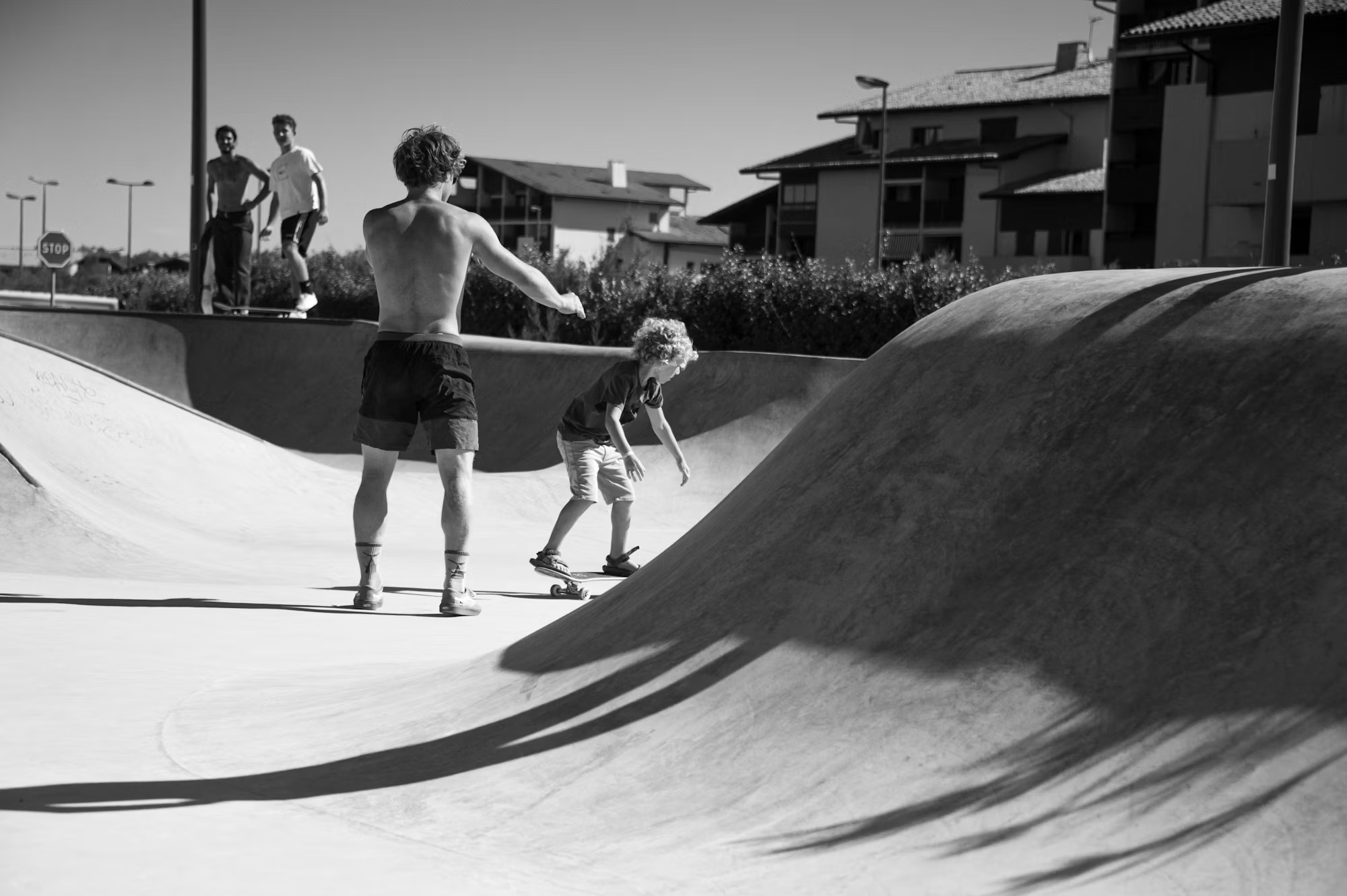
Bowl riding is another captivating aspect of skateboarding, where skaters navigate bowl-shaped structures, focusing on carving and flowing with the curves. The design of bowls allows for unique movements, promoting a seamless transition from one trick to another. Bowl riding combines artistry with athleticism, as skaters work to maintain speed while executing tricks that showcase their skills.

The community surrounding bowl riding is known for its warmth and inclusivity. Skaters often share tips and techniques, fostering an environment where everyone can learn and improve. The joy of carving through a bowl is amplified by the shared experience of riding together, creating lasting friendships among participants. Events held in bowl riding spaces bring together skaters from different backgrounds, further enriching the culture.

Freestyle skateboarding stands out as a discipline that emphasizes technical skill on flat surfaces. This style focuses on intricate tricks and footwork, showcasing balance and creativity. Freestyle skaters develop routines that highlight their unique styles, often incorporating dance-like movements into their performances. The originality of freestyle skating allows skaters to express themselves in ways that resonate with their personalities.

Competitions in freestyle skating often reward creativity and innovation, pushing skaters to explore new techniques and approaches. This encourages a spirit of experimentation, where skaters feel empowered to try out fresh ideas. The support and applause from peers during these events foster a sense of community, as everyone shares in the excitement of discovering new possibilities within the sport.

Longboarding offers a different experience, focusing on cruising and carving rather than tricks. Longboards, designed for stability and smooth rides, provide an ideal platform for leisurely rides through scenic routes. This style emphasizes the joy of movement and the freedom of gliding along hills and streets, attracting those who appreciate a more relaxed approach to skateboarding.

Downhill longboarding, on the other hand, introduces an adrenaline-fueled aspect, as skaters race down steep hills at exhilarating speeds. This discipline requires skill and control, as riders navigate their descent with precision. The thrill of downhill riding, paired with the camaraderie of group rides, creates a vibrant community where enthusiasts can bond over their shared love for speed and adventure.

Slalom skateboarding presents yet another thrilling challenge, as skaters weave through a course of cones, emphasizing agility and precision. This discipline demands focus and quick reflexes, as skaters navigate the obstacles while maintaining speed. Competitions in slalom skating showcase the participants’ impressive abilities, encouraging them to hone their skills and celebrate their progress.

The supportive atmosphere within the slalom skating community further enhances the experience. Skaters often share techniques and tips, building a network of friendship and encouragement. This collaborative spirit fosters growth, making it a welcoming environment for newcomers looking to develop their skills.

Park skateboarding encompasses various features found in skateparks, including ramps, rails, and obstacles. Skateparks provide a controlled environment for skaters to explore and refine their techniques. The diversity of features encourages creativity, allowing skaters to experiment with tricks and styles.

The skatepark community is rich and diverse, attracting individuals from all walks of life. The collaboration and encouragement among skaters foster a sense of belonging, as participants cheer each other on and celebrate successes together. Events held in skateparks often draw large crowds, further solidifying the bond within the skateboarding culture.

Off-road and all-terrain skateboarding introduce an adventurous side to the sport. Mountain boarding, for example, allows skaters to tackle rough terrains using specialized boards with larger wheels. This discipline emphasizes exploration and connection with nature, as riders navigate dirt trails and grassy hills, pushing their limits in diverse environments.

The off-road skating community thrives on sharing experiences and techniques, as skaters embark on adventures together. The thrill of riding in natural settings adds an exciting dimension to the sport, inviting participants to embrace their adventurous spirit.

As skateboarding continues to evolve, crossover styles are emerging, blending techniques from various disciplines. This fusion encourages innovation and creativity, inviting skaters to develop their unique approaches. The spirit of collaboration nurtures a culture of exploration, where skaters feel free to experiment and share their discoveries.

In summary, skateboarding is a multifaceted sport that encompasses a wide range of styles, each offering unique challenges and rewards. From the urban creativity of street skating to the adrenaline of vert, and from the fluidity of bowl riding to the technical finesse of freestyle, each discipline invites skaters to express themselves while connecting with a supportive community. The essence of innovation, camaraderie, and self-expression makes skateboarding an enriching experience, inspiring individuals to embrace the joy of movement and creativity in their lives.
Exploring the Art of Saltwater Fishing: Techniques and Tips for Enthusiasts

Saltwater fishing is an exhilarating pursuit that draws anglers to oceans, seas, and estuaries in search of some of the most exciting catches in the fishing world. With diverse species ranging from mighty marlins to agile snapper, saltwater fishing presents unique challenges and rewards that captivate enthusiasts. This article delves into various saltwater fishing techniques, provides practical tips for success, and celebrates the joy of engaging with the marine environment.

Understanding Saltwater Fishing

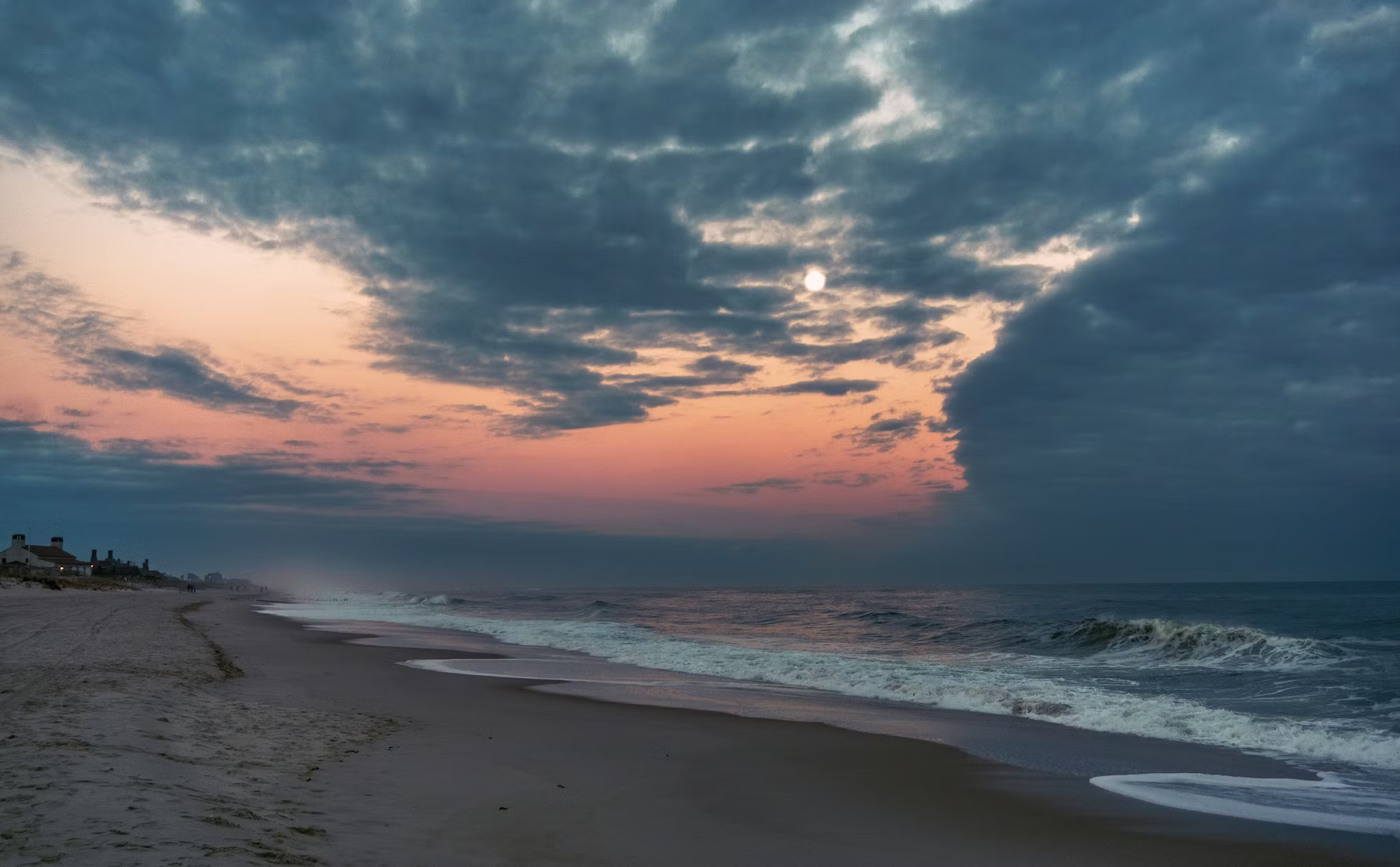
Saltwater fishing involves angling in oceans and seas, targeting species that thrive in saline environments. This form of fishing can take place from boats, piers, or the shore, and includes techniques suited for both beginners and seasoned anglers. The diversity of habitats, such as reefs, estuaries, and open water, offers a plethora of opportunities to explore different fishing styles and target various fish species. Understanding the behavior of saltwater fish and their habitats is crucial for a successful fishing experience.

Popular Saltwater Fishing Techniques

Saltwater fishing encompasses a wide range of techniques, each with its own set of skills and strategies. Here are some of the most effective methods:

1. Shore Fishing

Shore fishing is an accessible and popular method that allows anglers to fish from the beach or rocky shorelines. This technique often targets species such as surf perch, flounder, and various types of snapper. Anglers can use bait like worms, shrimp, or artificial lures, casting them into the surf or tidal zones. Understanding the tides and currents is essential for finding the best spots, as fish are often more active during certain tidal movements.

2. Boat Fishing

Boat fishing offers access to deeper waters, where larger species like tuna, mahi-mahi, and marlin roam. This technique involves using various methods, including trolling, bottom fishing, and drift fishing. Trolling is particularly popular in open waters, where anglers drag lures behind a moving boat to entice predatory fish. Choosing the right lures and adjusting the trolling speed based on conditions can greatly enhance success rates.

3. Fly Fishing

Fly fishing in saltwater is a specialized skill that requires knowledge of the local ecosystem. This technique involves casting lightweight flies designed to mimic baitfish or crustaceans. Anglers often target species such as bonefish, tarpon, and permit in shallow flats or mangroves. Success in saltwater fly fishing hinges on mastering casting techniques and understanding fish behavior in relation to tides and weather conditions.

4. Bottom Fishing

Bottom fishing targets species that dwell near the ocean floor, such as grouper and snapper. This method involves dropping heavy baited hooks to the seabed and waiting for fish to bite. Anglers can use either a boat or shore access to drop lines. Knowledge of local reefs and structures is vital, as these areas often harbor abundant fish populations. Using the right gear and bait will improve your chances of landing a big catch.

5. Spearfishing

Spearfishing combines diving and fishing, offering a thrilling way to catch fish underwater. Anglers use spear guns or pole spears to target species like grouper, snapper, and even larger pelagic fish. This technique requires knowledge of diving safety and fish behavior, making it suitable for those who enjoy both fishing and underwater exploration. Spearfishing also encourages a deeper connection to the marine environment, as divers often encounter diverse marine life.

Tips for Successful Saltwater Fishing

To enhance your saltwater fishing experience and improve your chances of success, consider the following tips:

1. Research Local Regulations

Before heading out, familiarize yourself with local fishing regulations. Each region has specific rules regarding species size limits, bag limits, and seasonal restrictions. Adhering to these regulations is essential for sustainable fishing and conservation efforts. Always check for updates or changes in regulations, as they can vary by location and season.

2. Understand Tides and Weather

Tides play a crucial role in saltwater fishing, influencing fish behavior and feeding patterns. Fish are often more active during incoming or outgoing tides, so planning your fishing trips around these times can increase your chances of success. Additionally, weather conditions such as wind, temperature, and cloud cover can affect fish activity. Monitoring these factors will help you select the best times and locations to fish.

3. Choose the Right Gear

Selecting the right fishing gear is critical for saltwater fishing success. Ensure your rod, reel, and line are designed for saltwater conditions, as these environments can be harsh on equipment. Consider the species you’re targeting and choose gear that matches their size and strength. Investing in quality tackle will not only enhance your fishing experience but also increase your chances of landing bigger fish.

4. Master Your Casting Technique

Accurate casting is vital in saltwater fishing, especially when targeting specific structures or schools of fish. Practice various casting techniques, such as overhead casts and sidearm casts, to improve your precision and distance. The ability to place your bait or lure exactly where you want it can significantly impact your catch rate. Experimenting with different lures and presentation styles will also help you understand what works best in various conditions.

5. Stay Patient and Observant

Patience is key in fishing. Fish may not always bite right away, so be prepared to wait and observe your surroundings. Look for signs of fish activity, such as birds diving or fish jumping. Being attuned to your environment can provide valuable insights into where to cast your line next. Additionally, practicing patience can enhance your overall enjoyment of the experience, allowing you to soak in the beauty of the ocean.

The Joys of Saltwater Fishing

Saltwater fishing offers a unique blend of adventure and relaxation. The thrill of catching a big fish, combined with the stunning beauty of the ocean, creates an unforgettable experience. Whether you’re fishing alone, with friends, or with family, the camaraderie and shared stories add to the enjoyment. Each fishing trip provides an opportunity to connect with the marine environment and appreciate its wonders.

Moreover, saltwater fishing fosters a sense of responsibility towards conservation. Many anglers develop a passion for protecting ocean ecosystems, advocating for sustainable practices, and participating in local cleanup efforts. This commitment ensures that future generations can enjoy the thrill of saltwater fishing.

Conclusion

Saltwater fishing is a captivating activity that offers countless opportunities for adventure and exploration. With a variety of techniques to master and an array of species to pursue, every outing is a chance to connect with nature and create lasting memories. By following the tips outlined in this guide, you can enhance your saltwater fishing experience, deepen your appreciation for the ocean, and embrace the joy of the catch. Whether you’re casting from the shore or venturing out on a boat, the world of saltwater fishing awaits, ready to offer excitement and serenity.

Exploring the Beauty of Golf Courses Around the World

Golf is a game that is as much about the experience as it is about the sport itself. The courses we play on provide not only a venue for competition but also a canvas of nature’s beauty, with each offering unique landscapes and challenges. From coastal views to mountainous backdrops, the diversity of golf courses around the world is truly remarkable. In this article, we will explore some of the most breathtaking golf courses, discussing their features, the challenges they present, and what makes each one a must-visit for any golf enthusiast.

1. Pebble Beach Golf Links, California, USA
Located on the rugged coastline of California, Pebble Beach Golf Links is often considered one of the most beautiful golf courses in the world. The course boasts stunning views of the Pacific Ocean and is renowned for its challenging holes, particularly the iconic par-3 seventh, which plays dramatically downhill towards the ocean.

The layout of Pebble Beach is uniquely designed to incorporate the natural landscape, with cliffs and coastal elements coming into play. Golfers often find that the experience of playing here transcends the game itself, as the breathtaking vistas provide a perfect backdrop to every swing. The course has hosted numerous major championships, adding to its prestige and allure.

2. St. Andrews Links, Scotland
No discussion of great golf courses would be complete without mentioning St. Andrews, the birthplace of golf. St. Andrews Links features seven courses, with the Old Course being the most famous. Its historical significance, combined with its unique layout, makes it a pilgrimage for golf lovers.

The Old Course is characterized by its double greens and massive bunkers, particularly the infamous Hell Bunker. The course runs along the North Sea, with winds often challenging even the most skilled players. Beyond its golfing challenges, the charm of St. Andrews lies in its rich history, making it a cultural experience as much as a sporting one. Players can feel the weight of tradition with every putt on the hallowed greens.

3. Augusta National Golf Club, Georgia, USA
Home of the prestigious Masters Tournament, Augusta National Golf Club is an iconic golf course known for its beauty and exclusivity. The course features stunning azaleas, towering pines, and beautifully manicured greens. Augusta’s layout is strategically designed to challenge players while providing spectacular scenery, particularly at Amen Corner, where the 11th, 12th, and 13th holes create a challenging and picturesque stretch.

Playing at Augusta is a dream for many golfers, and the course’s pristine conditions set a standard for all golf courses. The combination of challenging holes and stunning natural beauty makes Augusta National a true gem in the world of golf, embodying both tradition and excellence.

4. Royal County Down Golf Club, Northern Ireland
Nestled between the Mountains of Mourne and the Irish Sea, Royal County Down Golf Club offers a stunning visual and golfing experience. The course is known for its breathtaking scenery, with the rugged terrain providing a challenging yet rewarding layout. The Links course features deep bunkers, undulating greens, and breathtaking views of the surrounding landscape.

The combination of coastal winds and natural hazards demands precision and strategy, making each round both enjoyable and challenging. Royal County Down has hosted many prestigious tournaments, solidifying its reputation as one of the top golf courses in the world. The experience of playing here is further enhanced by the warm hospitality of the local community and the rich golf tradition of Ireland.

5. Whistling Straits, Wisconsin, USA
Whistling Straits, designed by Pete Dye, is located along the shores of Lake Michigan and features dramatic landscapes that mimic the rugged coastline of Ireland. The course is known for its stunning views and challenging layout, with many holes playing directly along the water’s edge. The combination of natural beauty and strategic design makes Whistling Straits a favorite among golfers.

The course has hosted several major tournaments, including the PGA Championship, showcasing its ability to challenge the best players in the world. The unique topography, featuring dramatic elevation changes and natural grasses, creates a golfing experience unlike any other. Golfers often remark that the views alone make the trip worthwhile, making it a must-visit destination.

6. Cape Kidnappers, New Zealand
Situated on the cliffs of Hawke’s Bay, Cape Kidnappers Golf Course offers spectacular ocean views and a challenging layout. The course is known for its dramatic elevation changes and breathtaking scenery, with each hole presenting unique challenges that require careful strategy. The par-3 holes, particularly the 15th, play out over cliffs, adding both beauty and excitement to the experience.

The natural landscape enhances the golfing experience, making Cape Kidnappers a remarkable destination for both locals and visitors. With its stunning backdrop and meticulously designed holes, this course captures the essence of what makes golf so appealing.

7. TPC Sawgrass, Florida, USA
Home of the famous 17th hole, also known as the “Island Green,” TPC Sawgrass is renowned for its unique design and challenging play. The course features a variety of holes that require different skills, and the stunning landscapes surrounding the fairways enhance the experience. The 17th hole, with its island green, is particularly famous and provides a dramatic moment for players and spectators alike.

TPC Sawgrass has hosted The Players Championship, making it a key venue in professional golf. The combination of challenging holes and beautiful scenery ensures that every round is memorable, whether you are an amateur or a seasoned pro.

8. Valderrama Golf Club, Spain
Valderrama Golf Club, located in the Andalusian hills, is known for its stunning scenery and challenging layout. The course has a rich history, having hosted the 1997 Ryder Cup, and it features beautiful tree-lined fairways and strategically placed bunkers. The course demands precision, as errant shots can quickly lead to trouble.

With its Mediterranean climate and stunning vistas, Valderrama offers a unique golfing experience that blends natural beauty with competitive challenges. The welcoming atmosphere and excellent facilities make it a favorite among both locals and international visitors.

Conclusion
Golf courses around the world offer a blend of beauty, challenge, and tradition. Each course has its own character and charm, providing golfers with unique experiences that extend beyond the game. Whether you’re drawn to the stunning coastal views of Pebble Beach, the historical significance of St. Andrews, or the pristine conditions of Augusta, each course presents an opportunity to enjoy the beauty of nature while engaging in the sport we love. As you plan your next golfing adventure, consider these magnificent courses, each promising to enrich your golfing journey and create lasting memories.

Exploring the Thrill of Snowboarding: A Journey Through Styles and Techniques

Snowboarding is more than just a winter sport; it’s a thrilling adventure that offers a unique blend of style, technique, and personal expression. With various styles and disciplines to choose from, snowboarding allows riders to explore different terrains and techniques, making it a diverse and exciting activity. In this article, we will explore the various snowboarding styles, their distinct features, and what makes each one special.

Freestyle snowboarding stands out for its emphasis on creativity and trickery. This style is typically practiced in terrain parks where riders can find an array of features, including rails, boxes, jumps, and halfpipes. The terrain park serves as a canvas for freestyle riders, allowing them to showcase their skills through tricks and maneuvers that highlight individual flair. Riders often spend hours honing their abilities on these features, pushing the boundaries of what is possible on a snowboard.

One of the most exhilarating elements of freestyle snowboarding is halfpipe riding. The halfpipe is a U-shaped structure that enables riders to gain momentum while performing aerial maneuvers. As riders navigate back and forth between the walls, they have the opportunity to execute spins, flips, and grabs, showcasing their talent and style. The challenge of mastering the timing and technique required to perform tricks in the halfpipe makes it one of the most visually stunning aspects of the sport.

In contrast, freeride snowboarding emphasizes exploration and versatility. All-mountain riding is a significant component of this discipline, as it involves traversing various terrains across the mountain. Riders who embrace all-mountain riding can navigate groomed slopes, moguls, trees, and off-piste areas, adapting to the conditions they encounter. This versatility allows all-mountain riders to enjoy a wide range of experiences, whether they are carving down a smooth trail or tackling a challenging natural feature.

Backcountry riding takes the thrill of exploration to another level, as riders venture into unmarked and ungroomed areas of the mountain. This discipline often requires a sense of adventure, as riders may hike or use snowmobiles to access remote locations and fresh powder. The freedom of riding untouched snow and the beauty of nature create an unparalleled experience for backcountry enthusiasts. However, safety is paramount, as riders must be prepared for the unique challenges posed by these rugged environments.

Freeride snowboarding, particularly in big mountain and extreme riding scenarios, appeals to those seeking adrenaline and excitement. Big mountain riding involves navigating steep, rugged terrains often found in backcountry or off-piste areas. Riders are challenged by deep powder, cliffs, and couloirs, requiring advanced skills and a keen understanding of snow conditions. The thrill of conquering steep descents and natural features is unmatched, making big mountain riding a favorite among thrill-seekers.

Alpine snowboarding, including alpine racing, shifts the focus to speed, precision, and technique. Alpine racing involves navigating specially designed courses marked by gates and turns, demanding sharp turns and calculated movements. Competitors strive for the fastest times, often training rigorously to refine their techniques and improve their performance. The excitement of racing against the clock and fellow competitors makes alpine racing a thrilling experience for participants and spectators alike.

Boardercross, or snowboard cross (SBX), combines elements of racing and strategy, creating an exhilarating format where multiple riders race down a course featuring jumps, berms, and obstacles. This discipline adds a layer of unpredictability, as riders jostle for position and execute daring maneuvers to gain an edge. The adrenaline rush of competing against others while navigating a challenging course makes boardercross a crowd favorite.

Splitboarding introduces a unique approach to snowboarding by allowing riders to explore backcountry terrain more effectively. Splitboard touring involves using a specialized snowboard that can be split into two skis for uphill climbing. Once riders reach their desired elevation, they can reassemble the board for the descent. This method opens up a world of exploration, enabling snowboarders to access remote areas beyond resort boundaries. The tranquility of untouched snow and the challenge of navigating the backcountry create a fulfilling experience for adventurous riders.

Adaptive snowboarding is a remarkable discipline that focuses on inclusivity, tailoring snowboarding techniques and equipment for individuals with disabilities. This approach ensures that everyone, regardless of physical limitations, can experience the joy and excitement of snowboarding. Adaptive riding involves modifying techniques and utilizing specialized gear to accommodate different abilities. Through personalized instruction and adaptive equipment, riders gain the confidence to navigate the slopes, fostering a vibrant and supportive community centered around the sport.

In conclusion, snowboarding is a multifaceted sport that offers something for everyone. Whether you seek the creativity of freestyle riding, the versatility of all-mountain exploration, or the adrenaline rush of big mountain challenges, there is a style that resonates with every rider. By understanding the various disciplines and their unique features, riders can choose their path and fully embrace the excitement and freedom that snowboarding provides. So grab your board, find your preferred style, and get ready to carve through the snow, creating unforgettable memories along the way!

Exploring the Art of Skateboarding: Techniques, Styles, and Community

Skateboarding is an art form as much as it is a sport, encompassing a wide range of styles and techniques that allow skaters to express themselves creatively while engaging in physical activity. Over the years, skateboarding has evolved from a simple pastime to a multifaceted discipline that fosters community, individuality, and personal growth. This article delves into the various skateboarding styles, the techniques that define them, and the vibrant culture surrounding the sport.\n\nOne of the most recognized styles of skateboarding is street skating. This approach emphasizes creativity and adaptability, as skaters utilize urban environments to perform tricks and maneuvers on everyday structures such as stairs, ledges, and railings. Street skating encourages skaters to think outside the box, transforming their surroundings into a playground for self-expression. The spontaneity of street skating not only showcases technical skills but also highlights the individuality of each skater, as they adapt their tricks to the unique features of their environment.\n\nIn contrast, vert skating focuses on riding ramps and halfpipes. This style is characterized by aerial tricks and high-speed maneuvers, requiring a strong foundation in balance and control. Skaters perform spins, grabs, and flips while riding the walls of the ramp, executing tricks that defy gravity. Vert skating has produced legendary athletes like Tony Hawk and Bucky Lasek, who have pushed the boundaries of what is possible in the sport. The thrill of soaring through the air and the challenge of mastering complex tricks contribute to the allure of vert skating.\n\nBowl skating, another prominent style, involves riding in large, bowl-shaped structures or empty swimming pools. This style combines the fluidity of carving with the technicality of performing tricks on transitions. Bowl skaters often focus on rhythm and flow, utilizing the contours of the bowl to create seamless movements. The sense of freedom and creativity in bowl skating allows skaters to express themselves while navigating the unique challenges each bowl presents.\n\nFreestyle skating is a more technical form that takes place on flat surfaces, emphasizing balance, footwork, and intricate maneuvers. This style allows skaters to showcase their creativity through tricks that incorporate spins, slides, and flips. Freestyle skating has its roots in the early days of skateboarding, and while it may not be as mainstream as other styles, it remains a vital part of the skateboarding culture. The focus on technique and precision in freestyle skating often attracts those who appreciate the artistry behind each trick.\n\nLongboarding, a variant of skateboarding, has gained popularity for its smooth, relaxed riding style. Longboards are typically longer and wider than traditional skateboards, providing stability and ease of use. Riders often focus on cruising, carving, and downhill riding, enjoying the scenic routes and the thrill of speed. Longboarding fosters a laid-back community, where skaters often gather for group rides, enjoying the camaraderie that comes with shared experiences.\n\nThe emergence of downhill longboarding has introduced a new dimension to the sport, with riders racing down steep hills at high speeds. This adrenaline-pumping style requires a deep understanding of balance and control, as skaters navigate sharp turns and changes in terrain. Downhill longboarding has its own dedicated following, with events and competitions that showcase the skill and bravery of its participants.\n\nSlalom skateboarding adds another layer of excitement, as riders weave through a series of cones or obstacles. This style emphasizes agility, precision, and quick maneuvering skills, requiring skaters to navigate the course with finesse. Slalom skating attracts those who enjoy a challenge, as they strive to improve their speed and technique while developing a deep understanding of their board’s dynamics.\n\nPark skating, often performed in skate parks, combines various elements from different styles, providing a controlled environment for skaters to experiment and hone their skills. Skate parks typically feature ramps, bowls, rails, and other obstacles, allowing skaters to transition seamlessly between tricks and styles. This environment encourages creativity, as skaters can practice and collaborate with others, learning from one another and sharing their unique approaches to skating.\n\nThe off-road and all-terrain skateboarding styles, such as mountain boarding, provide an exciting way to experience the sport beyond traditional surfaces. Riders use specialized boards equipped with large pneumatic tires, allowing them to navigate rough terrain, dirt trails, and grassy hills. This adventurous style promotes exploration and the thrill of outdoor riding, appealing to those who seek a deeper connection with nature. \n\nCrossover styles, such as street/park fusion, combine elements from different skateboarding disciplines, allowing skaters to create unique tricks that reflect their diverse skills. This blending of styles fosters a sense of innovation and creativity, as skaters continually push the boundaries of what is possible on a board. The result is a dynamic community where collaboration and experimentation thrive.\n\nThe culture surrounding skateboarding is rich and diverse, providing a supportive environment for skaters of all backgrounds and skill levels. From local skate parks to international competitions, the skateboarding community is built on a foundation of shared passion and respect. Events such as contests and exhibitions bring skaters together, creating opportunities for networking, learning, and growth.\n\nMoreover, skateboarding promotes inclusivity, welcoming individuals regardless of age, gender, or skill level. This sense of belonging fosters friendships and collaboration, encouraging skaters to uplift one another as they navigate their personal journeys. The camaraderie within the skate community creates a positive atmosphere that inspires individuals to embrace their individuality and develop their skills.\n\nThe impact of skateboarding extends beyond the sport itself, influencing art, fashion, and music. Skateboarding has inspired countless artists to create works that reflect the culture, resulting in a unique aesthetic that combines elements of urban art and street style. This fusion of creativity has led to the emergence of skate-themed clothing brands, which often feature bold graphics and designs that resonate with the skate community.\n\nMusic has long been intertwined with skateboarding, shaping the culture and providing a soundtrack for skaters as they ride. Many skaters gravitate towards genres like punk rock, hip-hop, and alternative music, drawing inspiration from the rebellious spirit and creativity these styles embody. This relationship between skateboarding and music fosters a vibrant community, where skaters gather to share their favorite tracks and enjoy live performances.\n\nIn conclusion, skateboarding is a multifaceted sport that encompasses various styles and techniques, each offering unique opportunities for self-expression and creativity. From street skating to vert riding, longboarding to freestyle, the diversity of skateboarding fosters a rich culture that celebrates individuality and community. As skaters continue to innovate and push the boundaries of the sport, the future of skateboarding remains bright, promising new adventures and experiences for generations to come. Whether on a local street, a skate park, or an off-road trail, skateboarding continues to inspire and connect individuals, creating a vibrant tapestry of creativity and camaraderie.

Exploring the Thrills of Ice Fishing: Techniques and Tips for Enthusiasts

Ice fishing is a unique and exhilarating outdoor activity that allows anglers to enjoy their passion even in the coldest months of the year. As lakes freeze over and snow blankets the landscape, ice fishing enthusiasts gather to set up their gear, eager to experience the thrill of catching fish through a layer of ice. This article will explore the essential aspects of ice fishing, including gear selection, techniques, and valuable tips to make the most of your winter fishing adventures.

The Allure of Ice Fishing

Ice fishing offers a distinct experience compared to traditional fishing. The serene beauty of a frozen lake, the crisp winter air, and the camaraderie among fellow anglers create a unique atmosphere that many find enchanting. For some, it’s a family tradition, while others seek the thrill of targeting fish that are less accessible during warmer months. Whether you’re a seasoned pro or a novice looking to try something new, ice fishing can be a rewarding way to connect with nature.

Essential Gear for Ice Fishing

Having the right equipment is crucial for a successful ice fishing outing. Here’s a breakdown of the essential gear you’ll need:

1. Ice Fishing Rod and Reel
Ice fishing rods are typically shorter and more sensitive than regular fishing rods. They allow for quick hook sets and are designed to handle the specific challenges of fishing through ice. Pair your rod with a quality ice fishing reel that has a smooth drag system to manage the fight of the fish.

2. Fishing Line
Selecting the right fishing line is important. Monofilament lines are often preferred for ice fishing due to their flexibility and ability to handle cold temperatures without becoming brittle. Braided lines can also be used, offering increased sensitivity and strength.

3. Ice Auger
An ice auger is essential for drilling holes in the ice. Manual augers are lightweight and portable, while powered augers make the task quicker and easier. Choose an auger based on your fishing location and the thickness of the ice.

4. Tip-Ups and Jigs
Tip-ups are devices that allow you to fish multiple holes at once. They consist of a flag that signals when a fish has taken the bait. Jigs are commonly used to attract fish and can be tipped with live bait or artificial lures. Experimenting with different jigs can help determine what works best on a given day.

5. Safety Gear
Safety is paramount in ice fishing. Always wear ice cleats to prevent slipping, and consider using a floatation suit for added protection. Carry a spud bar to test the ice thickness before walking on it, and always let someone know your fishing plans.

Techniques for Ice Fishing

Mastering various techniques can significantly enhance your ice fishing experience. Here are some essential methods to consider:

1. Finding the Right Location
Selecting the right spot is critical for success. Look for areas with structure, such as drop-offs, underwater humps, or weed beds, as these are often favored by fish. Using a fish finder can help you locate fish more effectively beneath the ice.

2. Understanding Fish Behavior
Different species have varying behaviors during the winter months. For instance, panfish may be more active in shallower waters, while larger species like pike may linger near the bottom. Pay attention to local fishing reports or consult with experienced anglers to understand what species to target and where to find them.

3. Setting Up Your Holes
When drilling holes, consider spacing them strategically. Set up multiple holes to increase your chances of attracting fish. Using a combination of tip-ups and jigging in different holes can help you cover more ground and find active fish.

Safety Considerations

Safety is paramount when ice fishing. Here are some essential tips to keep in mind:
– Check Ice Thickness: Before venturing out, always check the ice thickness. A minimum of four inches of solid ice is recommended for safe fishing.
– Stay Aware of Conditions: Be aware of changing weather conditions, as they can affect ice safety. Avoid fishing alone if possible, and always carry safety gear.
– Use Caution When Moving: When walking on ice, take slow, deliberate steps to avoid slipping. Use a spud bar to check for weak spots as you move.

Tips for Successful Ice Fishing

To enhance your ice fishing experience, consider these additional tips:
– Dress in Layers: Dress warmly in layers to regulate your body temperature. Consider moisture-wicking base layers, insulating mid-layers, and waterproof outer layers.
– Be Patient and Observant: Ice fishing can require patience. Take time to observe your surroundings, and be willing to adjust your techniques based on fish activity.
– Engage with Fellow Anglers: Ice fishing often fosters a sense of community. Share experiences and tips with fellow anglers, as they can provide valuable insights into what is working that day.
– Try Different Techniques: Don’t hesitate to experiment with different baits, jigs, and techniques. Fish can be unpredictable, and what works one day may not work the next.

Conclusion

Ice fishing is a thrilling and rewarding winter activity that offers anglers the chance to enjoy the beauty of nature while pursuing their passion. With the right gear, techniques, and a focus on safety, you can create memorable experiences on the ice. Embrace the serenity of the frozen landscape, connect with fellow anglers, and enjoy the thrill of waiting for that telltale tug on the line. Whether you’re after panfish, trout, or pike, ice fishing provides endless opportunities for adventure and connection with the great outdoors.

Diving into the Blue: A Journey Through the Different Types of Diving Experiences

The world beneath the ocean’s surface is one of the most mysterious and awe-inspiring places on Earth. For centuries, humans have been captivated by the ocean’s vastness, and as technology has advanced, so too has our ability to explore it. Diving, in its many forms, has become one of the most popular ways to experience the beauty and excitement of the underwater world. Whether you’re a beginner seeking a peaceful snorkel or an expert aiming to conquer deep underwater caves, there’s a diving discipline for every adventure-seeker.

Diving is not just an activity; it’s a gateway to discovering ecosystems that are otherwise hidden from view. The ocean is full of diverse marine life, shipwrecks, coral reefs, and underwater landscapes that hold a wealth of history and natural wonder. Each diving activity offers something different, catering to a variety of interests and skill levels.

Scuba Diving: Exploring the Depths of the Ocean

Scuba diving is the most well-known form of recreational diving. With the help of scuba equipment, which includes a tank of compressed air, a regulator, a mask, and fins, divers are able to explore the underwater world at greater depths than snorkeling allows. Scuba diving enables you to breathe underwater, which provides the freedom to swim freely while observing marine life, coral reefs, and submerged structures like shipwrecks.

What makes scuba diving so popular is the accessibility it offers. Most scuba diving experiences are designed to be beginner-friendly, with easily attainable certifications like the Open Water Diver course, which allows individuals to dive up to 60 feet (18 meters). This introductory level opens up the opportunity to explore shallow reefs and underwater environments, offering a world of marine life that is usually just below the surface.

For those who want to go further, more advanced courses such as Advanced Open Water Diver and Rescue Diver certifications unlock deeper dives and more complex environments, such as shipwrecks and even diving in caves. While scuba diving is safe for most people with proper training, divers must learn important skills such as buoyancy control, navigating underwater, and managing their air supply.

Scuba diving is more than just an activity; it’s a way to connect with nature and experience the wonders of the ocean. Many divers find joy in the tranquility of the water, the beauty of the coral reefs, and the thrill of encountering exotic marine creatures, from schools of fish to sea turtles and sharks.

Freediving: The Art of Breath-Holding Exploration

Freediving, also known as apnea diving, is a discipline that has grown in popularity in recent years. Unlike scuba diving, freediving requires no breathing apparatus—divers rely solely on their ability to hold their breath while exploring underwater. Freediving can be done in shallow waters or at great depths, depending on the diver’s experience and training.

The appeal of freediving lies in its simplicity. Freedivers only need a mask, fins, and a snorkel—equipment that is both lightweight and portable. But it’s not just the simplicity that draws people to freediving; it’s also the unique way it allows divers to connect with the ocean. Freedivers move through the water in complete silence, which enables them to approach marine life without disturbing it. There’s a meditative quality to the experience as divers learn to control their breath and relax into the water.

While freediving may seem easy on the surface, it actually requires considerable training. Freedivers must learn how to control their breathing, conserve energy, and stay calm while underwater. In fact, mental preparation is just as important as physical conditioning in freediving. The ability to hold your breath for extended periods and dive to significant depths requires a deep understanding of your body’s limits and the capacity to push them further.

Freediving also includes competitive aspects, with events such as static apnea (holding your breath while stationary), dynamic apnea (swimming underwater on a single breath), and depth disciplines that involve diving to extreme depths. Some elite freedivers can dive well beyond 300 feet (90 meters) on a single breath.

Snorkeling: A Gateway to Underwater Discovery

For many people, snorkeling is the first step into the world of underwater exploration. It is the most accessible form of diving, requiring minimal equipment and training. Snorkeling involves floating on the surface of the water while using a mask, snorkel, and fins to observe marine life in shallow areas, often above coral reefs or near coastal ecosystems.

What makes snorkeling so appealing is its simplicity. You don’t need any certification, and the equipment is relatively inexpensive. Snorkelers can easily access most locations, from tropical reefs to calm lakes, and explore the shallow underwater environments. Whether in warm, crystal-clear waters or slightly murkier coastal zones, snorkeling allows individuals to enjoy the sights of marine life without going deep into the ocean.

Snorkeling can be an ideal activity for families, beginners, or those who simply want to enjoy the ocean without the need for complex gear or training. While snorkeling doesn’t offer the same depth of exploration as scuba diving or freediving, it still provides the opportunity to witness vibrant coral reefs, schools of fish, and perhaps even larger marine animals like rays and sea turtles.

Technical Diving: Pushing the Boundaries of Exploration

Technical diving is a more advanced and specialized form of diving that goes beyond the typical recreational dive. It involves the use of specialized equipment, gases, and techniques to dive deeper, stay longer, and explore more complex environments such as caves, wrecks, and extreme depths.

One of the most exciting aspects of technical diving is the ability to explore underwater caves, wrecks, and other areas that are not accessible through recreational diving. Cave diving, in particular, requires advanced training due to the dangerous nature of navigating through tight and often dark passages. The diver must have the knowledge and skill to handle emergencies, navigate without visibility, and deal with the physical stress of diving in confined spaces.

Technical divers use specialized gear such as rebreathers, which recycle exhaled air, allowing them to stay underwater for longer periods without needing to surface. They may also use gas mixtures like trimix (a blend of oxygen, nitrogen, and helium) to reduce the risk of nitrogen narcosis and oxygen toxicity during deep dives.

While technical diving offers incredible opportunities for exploration, it also carries greater risks. Divers must undergo extensive training to learn how to manage the complexities of deep dives, decompression procedures, and emergency protocols. It’s an activity reserved for those who are looking for a challenge and are ready to push the limits of what’s possible.

Commercial Diving: Professional Diving for Industry

Commercial diving is a professional form of diving that is focused on underwater work in various industries such as construction, maintenance, salvage, and marine research. Commercial divers perform important tasks such as underwater welding, inspection of submerged structures, pipeline repair, and scientific research.

Unlike recreational divers, commercial divers often work in challenging and high-risk environments. They may be required to dive in murky waters, extreme depths, or even under ice, where visibility and conditions can be difficult. To handle these demanding situations, commercial divers use specialized equipment, including diving helmets, suits, and underwater tools.

Training for commercial diving is rigorous and involves learning a range of technical skills, such as welding, salvage operations, and using underwater tools. Many commercial divers also specialize in a specific area, such as saturation diving, which involves living in pressurized chambers and diving at extreme depths for extended periods.

Commercial diving offers excellent career opportunities, with many divers working in the oil and gas industry, underwater construction, or marine research. It requires a combination of physical strength, technical knowledge, and the ability to work under pressure.

Underwater Photography: Capturing the Ocean’s Wonders

Underwater photography has become a popular hobby and profession for those who want to document the beauty of the ocean and its ecosystems. With the help of specialized cameras, waterproof housings, and lighting equipment, underwater photographers can capture images of marine life, coral reefs, and the unique underwater landscapes that few people ever see.

One of the biggest challenges in underwater photography is dealing with the limitations of underwater lighting. Water absorbs light differently than air, and the deeper you go, the less natural light there is. Photographers must often use strobes or flashlights to illuminate their subjects and capture vibrant images.

Underwater photographers may focus on a variety of subjects, from wide-angle shots of coral reefs to close-ups of small marine creatures like seahorses and macro critters. Many photographers also use their work to raise awareness about marine conservation and the importance of protecting our oceans and marine ecosystems.

Conclusion: Dive into Adventure

Diving is an activity that offers something for everyone, from the casual snorkeler to the experienced technical diver. Whether you’re exploring coral reefs, swimming with marine life, or navigating underwater caves, each diving discipline offers its own set of challenges and rewards.

The ocean is vast and mysterious, but diving provides us with the tools to uncover its secrets. With the right training and equipment, anyone can explore this incredible world, whether for relaxation, adventure, or professional purposes. Dive into the blue and discover the wonders of the underwater realm.

Cycling Adventures: Discovering the Joy of Two Wheels

Cycling is an activity that transcends mere transportation; it embodies freedom, adventure, and a deep connection with the environment. With a variety of disciplines available, cycling caters to diverse preferences, skill levels, and goals. Whether you seek competition, exploration, or leisurely rides, there’s a form of cycling for you. This article delves into the different styles of cycling, emphasizing the joy and unique experiences they provide.

Road Cycling is one of the most recognizable forms, appealing to both competitive athletes and casual riders. Within this category, Road Racing stands out. Competitive road cycling takes place on paved surfaces and includes events ranging from short criteriums to lengthy grand tours, such as the Tour de France. These races challenge participants to push their limits, combining speed, endurance, and strategy. Athletes must master the art of pacing, drafting, and positioning themselves effectively within a pack. The thrill of crossing the finish line after a grueling race is a testament to their hard work and dedication.

For those who enjoy the challenge of covering long distances, Endurance Riding is a fantastic option. This discipline focuses on completing lengthy rides at a steady pace, often over various terrains. Events like randonneuring invite cyclists to tackle predetermined distances while soaking in the beauty of the landscape. The camaraderie among participants and the sense of achievement upon completing these rides create lasting memories and friendships.

As cyclists venture off the roads, Mountain Biking offers exhilarating experiences on rugged trails. This discipline is divided into several styles, each with its unique appeal. Cross-Country (XC) mountain biking emphasizes endurance and technical skill as riders navigate climbs, descents, and challenging terrain. XC cyclists often find themselves immersed in nature, riding through forests, mountains, and scenic landscapes, creating a profound connection with the environment.

For those seeking thrills and adrenaline, Downhill (DH) biking is the ultimate choice. This style involves descending steep, technical trails filled with jumps, drops, and obstacles, requiring both skill and courage. Riders must possess an acute sense of balance and control to navigate the treacherous paths at high speeds. The rush of flying down a hill and the satisfaction of mastering a difficult descent make downhill biking a heart-pounding adventure.

Enduro racing combines elements of both XC and downhill biking, providing a unique challenge for participants. In this discipline, riders tackle timed downhill sections interspersed with untimed uphill climbs. This blend tests a rider’s endurance, technical skills, and tactical decision-making. The excitement of racing against the clock while maintaining the stamina to ascend provides a fulfilling experience for mountain biking enthusiasts.

In the realm of BMX (Bicycle Motocross), the focus shifts to fast-paced racing and impressive tricks. BMX Racing takes place on specially designed dirt tracks, where riders compete in short, high-intensity races. These events feature jumps, berms, and tight turns, requiring athletes to showcase their speed and agility. The electric atmosphere during a BMX race draws in crowds, as spectators cheer on their favorite riders.

On the other hand, Freestyle BMX offers an artistic outlet for riders to perform tricks and stunts. This discipline encourages creativity as riders take to ramps, urban environments, and skateparks to showcase their skills. From flips to grinds, the possibilities are endless, and each performance is a testament to the rider’s talent and imagination.

Cyclocross presents a unique combination of cycling and obstacle racing. Typically held during the fall and winter months, cyclocross races involve navigating varied terrains, including grass, mud, and sand. Riders often dismount and carry their bikes over barriers, adding an element of physical challenge and strategy to the competition. The atmosphere at cyclocross events is lively, filled with supportive fans and enthusiastic participants who revel in the camaraderie and excitement of the race.

In contrast, Track Cycling offers a different experience, where athletes compete in a controlled indoor environment. Racing occurs in velodromes, featuring banked tracks specifically designed for speed. Events such as sprints, pursuits, and team races showcase the riders’ tactical prowess and raw power. The rhythmic sound of wheels on the track and the cheers of the crowd create an electric atmosphere that highlights the excitement of track racing.

For those who prefer a more leisurely approach to cycling, Bike Touring is an excellent way to explore new territories. This discipline encourages cyclists to embark on long-distance journeys, often spanning thousands of miles. Bike touring can be self-supported or assisted, allowing riders to experience the beauty of different landscapes and cultures. The sense of freedom and adventure that comes with touring is unmatched, as cyclists navigate through charming towns, scenic vistas, and breathtaking countryside.

Recumbent Cycling provides a comfortable alternative for those looking to enjoy longer rides without discomfort. Recumbent bikes feature a reclined riding position, allowing for a more ergonomic experience. This design minimizes strain on the back and neck, making it an appealing choice for riders of all ages. Whether cruising through parks or tackling longer distances, recumbent cycling offers a relaxed yet enjoyable experience.

The emergence of Electric Biking (E-bikes) has transformed the cycling landscape, making the sport accessible to a broader audience. E-bikes come equipped with electric motors that assist riders as they pedal, enabling them to tackle steep climbs or cover longer distances with ease. This innovation allows individuals of varying fitness levels to participate in cycling, breaking down barriers that may have previously deterred them from enjoying this activity.

Indoor Cycling has also gained popularity, particularly through spin classes that combine fitness and fun. These high-energy workouts are typically led by enthusiastic instructors who guide participants through intervals and choreographed routines, creating an exhilarating experience. Spin classes foster a sense of community, motivating riders to challenge themselves while enjoying the camaraderie of fellow cyclists.

Lastly, Bike Polo offers a unique twist on traditional polo, incorporating cycling into a fast-paced team sport. Played on grass or hard courts, bike polo requires coordination, teamwork, and skill. Participants must navigate their bikes while strategizing with teammates, creating a dynamic and engaging environment. This sport combines athleticism with the joy of cycling, fostering friendships and friendly competition.

In conclusion, cycling is a multifaceted activity that provides countless opportunities for adventure, competition, and personal growth. Each discipline presents its own set of challenges and rewards, inviting riders to explore, connect, and thrive. Whether you’re racing on the road, conquering mountain trails, or enjoying a leisurely tour, the joy of cycling is always within reach. Embrace the thrill of two wheels and discover the ultimate freedom that cycling brings to your life.

Exploring the Wonders of Nature: A Guide to Eco-Tourism

Eco-tourism has gained significant traction in recent years as travelers become increasingly aware of their environmental impact. It combines the love of travel with a commitment to sustainability, allowing individuals to explore the wonders of nature while preserving the ecosystems they visit. This article will explore the principles of eco-tourism, popular destinations, and practical tips for travelers looking to embark on an eco-friendly adventure.

Understanding Eco-Tourism
At its core, eco-tourism promotes responsible travel to natural areas, aiming to conserve the environment and improve the well-being of local people. This form of tourism focuses on low-impact, sustainable practices that prioritize ecological balance and community involvement. Eco-tourism is not merely about visiting beautiful landscapes; it also encourages travelers to learn about and appreciate the ecosystems they encounter.

1. Conservation: Eco-tourism actively supports conservation efforts. A portion of the revenue generated from eco-tourism activities is often reinvested into local communities and conservation programs, helping to protect wildlife habitats and promote biodiversity.

2. Cultural Respect: Travelers engaging in eco-tourism are encouraged to respect local cultures and traditions. This involves understanding the social norms of the communities they visit, engaging with local people, and supporting local economies through the purchase of crafts and services.

3. Education: Eco-tourism provides educational opportunities for travelers. Many eco-tourism activities include guided tours led by local experts who share knowledge about the region’s flora, fauna, and cultural heritage, enriching the travel experience and fostering a deeper appreciation for nature.

Popular Eco-Tourism Destinations
Around the world, numerous destinations offer exceptional eco-tourism experiences. Here are some top spots that combine breathtaking landscapes with sustainable practices:

1. Costa Rica: Known for its incredible biodiversity, Costa Rica is a leader in eco-tourism. The country is home to numerous national parks, wildlife refuges, and sustainable lodges. Activities such as zip-lining through the rainforest, bird-watching, and visiting organic coffee farms provide unique ways to connect with nature while supporting conservation efforts.

2. Galápagos Islands, Ecuador: The Galápagos Islands are a UNESCO World Heritage site and a prime example of eco-tourism. Travelers can explore unique ecosystems while learning about conservation initiatives aimed at preserving the islands’ endemic species. Guided tours promote responsible interactions with wildlife, ensuring that visitors appreciate the delicate balance of the ecosystem.

3. Tanzania: Home to some of the world’s most famous national parks, including Serengeti and Ngorongoro Crater, Tanzania offers exceptional eco-tourism experiences. Visitors can partake in guided safaris that emphasize wildlife conservation and community engagement. Many lodges in the area operate sustainably, using solar power and supporting local communities.

4. New Zealand: With its stunning landscapes, New Zealand is a haven for eco-tourism enthusiasts. The country offers countless hiking trails, wildlife tours, and opportunities to engage with Māori culture. Many tour operators focus on sustainability, ensuring minimal impact on the environment while promoting awareness of conservation efforts.

5. Norway: Famous for its fjords and pristine landscapes, Norway has made eco-tourism a priority. The country promotes sustainable travel practices through initiatives such as electric buses, eco-friendly accommodations, and responsible whale-watching tours. Travelers can enjoy breathtaking scenery while supporting conservation efforts.

Tips for Responsible Eco-Tourism
To make the most of your eco-tourism experience while minimizing your impact on the environment, consider the following tips:

1. Choose Eco-Friendly Accommodations: Opt for lodges, hotels, or campsites that prioritize sustainability. Look for certifications such as Green Globe or EarthCheck, which indicate a commitment to eco-friendly practices. These accommodations often use renewable energy sources, recycle waste, and support local communities.

2. Leave No Trace: When exploring natural areas, follow the Leave No Trace principles. This means staying on designated trails, packing out all trash, and minimizing your impact on the environment. Respect wildlife by observing from a distance and never feeding animals.

3. Support Local Economies: Engage with local communities by purchasing crafts, eating at local restaurants, and participating in community-led tours. This not only enriches your experience but also helps sustain local economies and cultural heritage.

4. Educate Yourself: Before traveling, take time to research the destination and its environmental issues. Understanding the local ecosystem and challenges it faces allows you to make informed choices during your visit.

5. Travel Off-Peak: To reduce overcrowding and minimize environmental impact, consider traveling during the off-peak season. This allows for a more enjoyable experience while supporting local businesses that may struggle during slower months.

The Future of Eco-Tourism
As awareness of environmental issues continues to grow, the future of eco-tourism looks promising. Travelers are increasingly seeking experiences that align with their values, pushing the industry to adopt more sustainable practices. Innovations in technology, such as eco-friendly transportation options and sustainable accommodations, are making it easier than ever to travel responsibly.

In addition, collaboration between governments, non-profits, and local communities will be essential in shaping the future of eco-tourism. By working together, stakeholders can ensure that eco-tourism benefits both the environment and the people who call these natural wonders home.

Conclusion
Eco-tourism offers a unique opportunity to explore the beauty of our planet while contributing to conservation efforts. By choosing eco-friendly practices and supporting local communities, travelers can enjoy the wonders of nature responsibly. As we embrace this form of tourism, we play a vital role in preserving the environments we cherish for future generations. So, pack your bags, and get ready for an adventure that not only enriches your life but also protects the planet we call home.

Exploring the Thrills of Skateboarding: A Journey Through Styles

Skateboarding is not just a pastime; it’s a vibrant culture that has captivated millions around the globe. With roots tracing back to the 1950s in California, skateboarding has transformed from a rebellious act into a celebrated sport that embodies creativity, athleticism, and community spirit. This article explores the various styles of skateboarding, each offering unique challenges and exhilarating experiences that appeal to skaters of all ages and skill levels.\n\nAt the heart of skateboarding lies street skating, a style characterized by its use of urban landscapes. Streets, sidewalks, staircases, and other urban features serve as playgrounds for skaters who perform a wide array of tricks, including grinds, slides, and flips. Street skating emphasizes technical skill and creativity, as riders are encouraged to see the city as an ever-changing canvas. By utilizing everyday structures in innovative ways, street skaters turn mundane environments into thrilling arenas for expression.\n\nOne of the most captivating aspects of street skating is the community it fosters. Skaters often gather in popular spots, sharing tips, tricks, and encouragement. This camaraderie is fundamental to the culture, creating a sense of belonging among riders. Events and competitions within the street skating scene further unite skaters, showcasing talent and inspiring new generations to pick up a board.\n\nOn the opposite end of the spectrum lies vert skateboarding, a discipline that takes riders to new heights—literally. Utilizing halfpipes and ramps, vert skaters perform aerial tricks that demand a deep understanding of momentum and balance. The thrill of soaring above the ramp and executing spins, grabs, and flips is unmatched. Mastering vert skating requires countless hours of practice, as riders learn to control their bodies while defying gravity.\n\nThe vert scene has produced some of the most iconic figures in skateboarding, inspiring a dedicated following. Events like the X Games and Dew Tour showcase the best of vert skating, drawing crowds eager to witness jaw-dropping tricks and high-flying stunts. As with street skating, vert skating is about more than just the tricks; it’s about the passion for the sport and the shared experiences that come with it.\n\nAnother thrilling discipline is bowl and pool skateboarding, where skaters carve through specially designed structures resembling large bowls or empty swimming pools. This style emphasizes fluid movements, allowing riders to build momentum as they navigate the contours of the bowl. Tricks in this discipline often combine speed and style, as skaters perform airs, grinds, and transitions, creating a captivating spectacle for onlookers.\n\nBowl riding offers a unique sense of freedom, as skaters can explore their creativity within a contained environment. The variety of lines and transitions available in a bowl allows riders to develop their own unique style, resulting in diverse performances that reflect individual personalities. Like other styles, bowl riding nurtures a strong sense of community, as skaters share tips and inspire one another to push their limits.\n\nFreestyle skateboarding is a discipline that celebrates technical precision on flat surfaces. It encompasses a variety of tricks, including footwork, spins, and balance maneuvers. This style invites creativity, as skaters develop their routines and incorporate unique elements into their performances. Freestyle skateboarding emphasizes individual style, encouraging riders to express themselves through their tricks.\n\nRiders in this discipline often perform intricate sequences that showcase their skill and artistry. The focus on balance and fluidity sets freestyle apart, creating an engaging performance aspect that captivates audiences. As a result, freestyle skateboarding has become an essential part of skate culture, inspiring new generations to embrace the art of skating.\n\nLongboarding offers a different experience altogether, focusing on cruising, carving, and transportation. This discipline is ideal for those who prefer a more relaxed approach to skating, emphasizing smooth turns and long rides. Longboards are designed for stability and comfort, making them perfect for leisurely journeys through scenic landscapes or urban environments.\n\nFor thrill-seekers, downhill longboarding presents an exhilarating challenge. Riders navigate steep hills at high speeds, emphasizing control and precision. The adrenaline rush that comes from racing downhill is unparalleled, and mastering this style requires a strong understanding of technique and balance. Riders must hone their skills to tackle sharp turns and varying terrain, pushing themselves to achieve greater speeds while staying safe.\n\nSlalom skateboarding tests a rider’s agility and precision as they weave through a course marked by cones or obstacles. This discipline requires quick reflexes and balance, making it both challenging and rewarding. Slalom competitions highlight the skills involved, with riders showcasing their ability to navigate tight spaces while maintaining speed.\n\nThe combination of strategy and skill in slalom skateboarding creates an engaging and dynamic sport that attracts those who enjoy technical challenges. Competitors often share insights and techniques, fostering a sense of community among slalom enthusiasts.\n\nPark skateboarding combines features found in various skatepark environments, such as ramps, bowls, and rails. This style allows skaters to perform a diverse range of tricks and transitions within a controlled setting. Skateparks provide a safe space for skaters to practice and refine their skills while engaging with others in the community.\n\nThe creativity encouraged in skateparks fosters experimentation and collaboration among skaters of all skill levels. By offering a variety of features, parks enable riders to try out different tricks and styles without the unpredictability of street environments. As a result, skateparks play a crucial role in the development of skate culture, acting as hubs for innovation and social interaction.\n\nFor those seeking adventure, off-road and all-terrain skateboarding offer exhilarating experiences. Mountain boarding involves riding specialized boards with large pneumatic tires on rough terrains, such as dirt trails and grassy hills. This discipline combines the excitement of skateboarding with the thrill of outdoor exploration, appealing to those who crave a deeper connection with nature.\n\nOff-road skateboarding allows riders to adapt their techniques to various surfaces, requiring creativity and adaptability. The experience of gliding over rugged landscapes brings a sense of adventure and freedom that is hard to replicate. Riders often find themselves immersed in nature, exploring trails and discovering new terrains while enjoying the exhilaration of riding.\n\nCrossover styles, which blend elements from different skateboarding disciplines, are becoming increasingly popular. These hybrids encourage creativity and experimentation, as skaters draw inspiration from various techniques and environments. By merging styles, riders can craft unique tricks and approaches that reflect their individual preferences, further enriching the skateboarding experience.\n\nIn this ever-evolving sport, the lines between styles continue to blur, leading to exciting innovations and fresh perspectives. Whether you’re a street skater, a vert enthusiast, or someone who enjoys cruising on a longboard, there’s a place for you in the diverse world of skateboarding. The sport is about embracing the joy of movement and the thrill of freedom, while also celebrating the community that supports it. As you explore the different disciplines, you’ll discover not just a sport, but a culture that thrives on creativity and individuality. So grab your board, find your style, and join the adventure—there’s a whole world waiting to be explored!