Diving Into the Deep: A Comprehensive Guide to the Underwater World

Diving is a captivating activity that opens up a world of wonder beneath the waves. Whether it’s the colorful swirls of a coral reef or the eerie beauty of a submerged wreck, the underwater world offers experiences unlike any other. This article aims to explore the diverse disciplines of diving, each offering its own unique set of skills, experiences, and rewards. Alongside this exploration, the importance of marine conservation will be emphasized, reminding us of the responsibility we have to protect these stunning ecosystems.

The Allure of the Underwater World

The underwater realm has always fascinated humanity. The vibrant colors, unusual shapes, and diverse life forms create an environment that feels almost otherworldly. Diving provides a means to escape the mundane, transporting enthusiasts to a world filled with adventure and discovery. Whether one is a seasoned diver or a newcomer, the thrill of exploring the depths brings a sense of excitement and tranquility.

One of the primary reasons people are drawn to diving is the opportunity to connect with nature. Witnessing marine life in its natural habitat fosters a profound appreciation for the complexities of ecosystems. From tiny, neon-colored fish darting between corals to majestic manta rays gliding through the blue, each encounter leaves a lasting impression, deepening one’s love for the ocean.

Scuba Diving: The Gateway to Adventure

Scuba diving is perhaps the most well-known form of diving. This popular activity allows divers to explore the ocean’s depths using self-contained underwater breathing apparatus. Scuba diving opens up a realm of possibilities, making it possible to explore vibrant coral reefs, intriguing marine life, and historical wrecks.

Before diving, it’s essential to undergo proper training and certification. Organizations like PADI and SSI provide comprehensive courses designed to teach essential skills and safety procedures. Understanding equipment usage, dive planning, and emergency protocols ensures that divers are well-prepared for their adventures. The excitement of taking the plunge into the blue waters, equipped with the skills to navigate this underwater landscape, is unmatched.

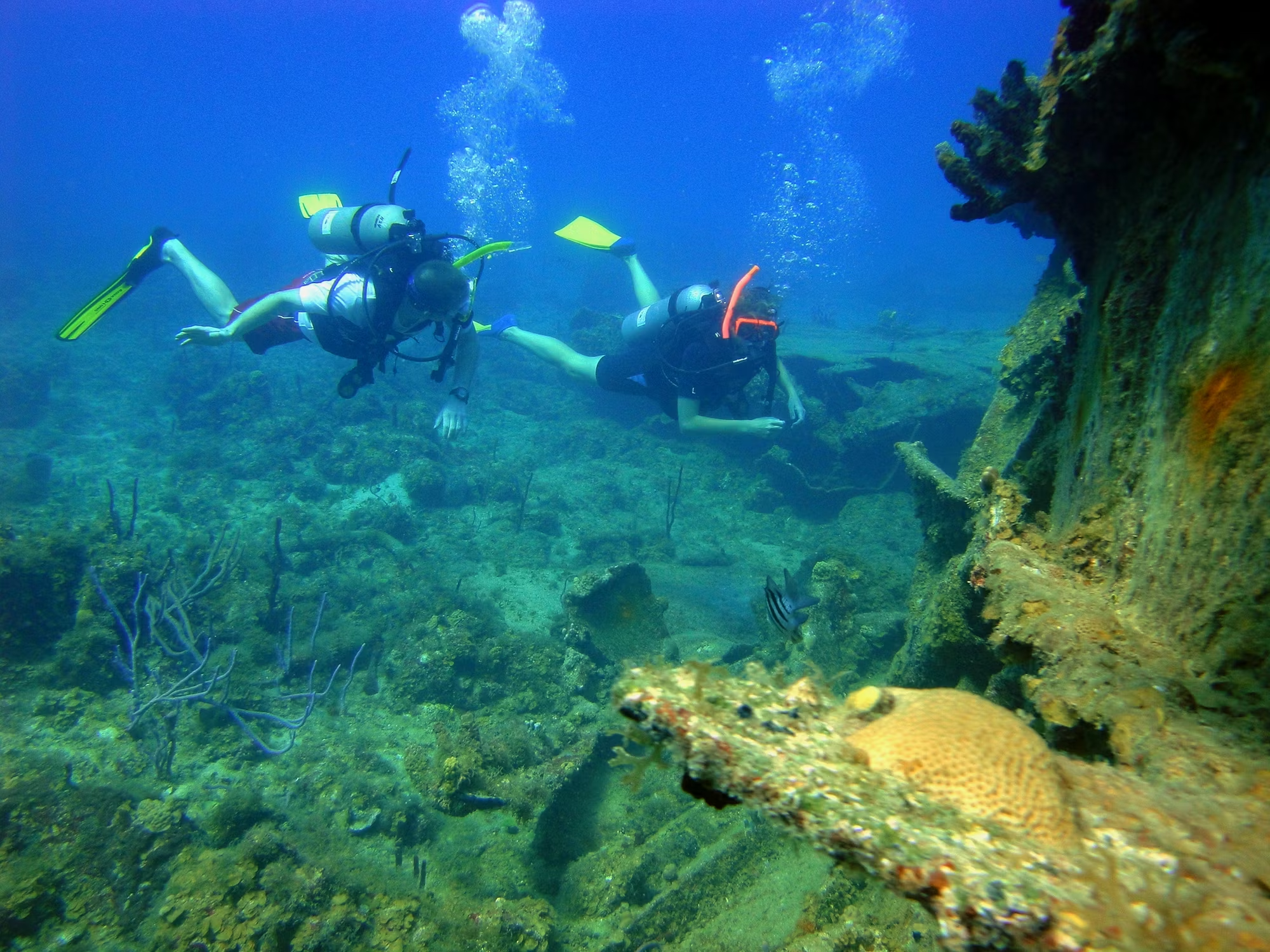
Many dive sites around the world cater to scuba divers, each offering unique underwater experiences. From the Great Barrier Reef in Australia, with its unparalleled biodiversity, to the haunting beauty of shipwrecks in the Caribbean, divers can choose from a wide array of locations. Each dive offers a chance to witness the underwater ecosystem’s beauty, often leaving divers with unforgettable memories.

Snorkeling: A Gentle Exploration

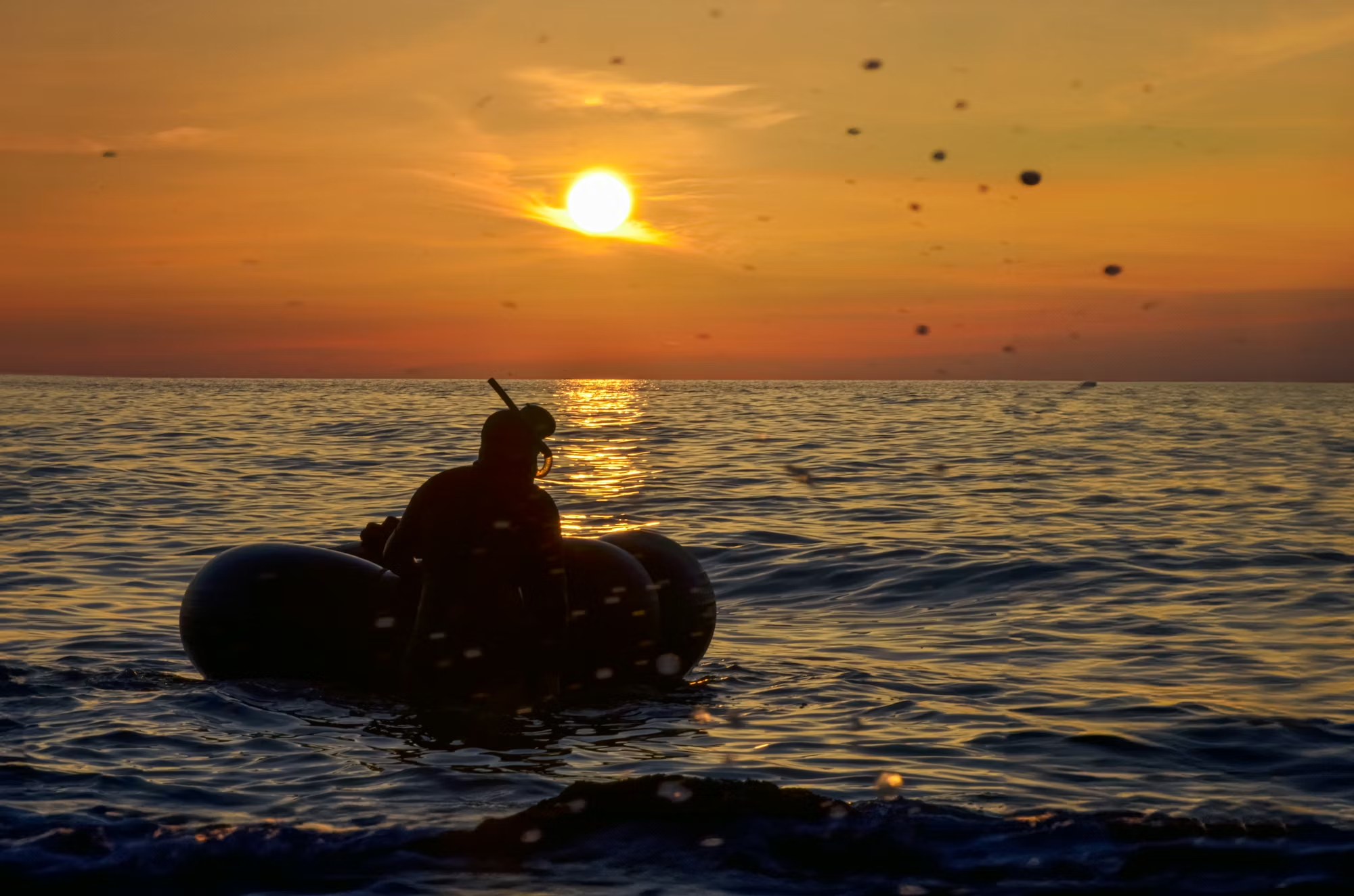
For those seeking a less intensive way to experience the ocean, snorkeling is an excellent option. This activity allows individuals to float on the surface while observing marine life through a mask and snorkel. Snorkeling is accessible to almost anyone and can be done in calm, shallow waters, making it perfect for families and beginners.

Popular snorkeling destinations often feature crystal-clear waters and abundant marine life. Guided tours are common, providing insight into local ecosystems and ensuring safety. As snorkelers glide along the surface, they may find themselves surrounded by colorful fish, playful sea turtles, or even the graceful movements of rays. These encounters offer a glimpse into the underwater world without the need for extensive training or equipment.

Snorkeling also promotes a sense of tranquility. The gentle lapping of the waves and the rhythm of one’s breath create a meditative experience. It fosters a connection to nature, inspiring participants to appreciate and protect the beauty that lies beneath the surface.

Freediving: The Art of Breath-Holding

Freediving, or apnea diving, is an exhilarating discipline that allows divers to explore underwater without the use of breathing apparatus. This practice relies on breath-holding techniques and promotes a deep connection with the ocean. Freediving can be both relaxing and physically challenging, providing divers with an opportunity to embrace the natural rhythms of their bodies.

Training for freediving involves mastering breath control, equalization techniques, and relaxation methods. Many freedivers appreciate the simplicity of the experience, finding joy in the freedom of movement through the water. Freediving competitions have also gained popularity, showcasing the incredible capabilities of breath-hold diving.

However, many individuals are drawn to freediving for the sheer enjoyment of exploring marine environments. The peacefulness of moving silently through the water creates a unique experience, allowing divers to observe marine life without the disturbance caused by scuba equipment. This often leads to magical encounters with fish, dolphins, and other marine creatures.

Technical Diving: Pushing the Limits

For those seeking to explore even deeper and more complex underwater environments, technical diving provides an exciting avenue. This advanced form of diving requires specialized training, equipment, and knowledge, allowing divers to venture into caves, deep wrecks, and other challenging locations.

Technical diving emphasizes safety and thorough planning. Divers must understand gas management, decompression procedures, and emergency protocols. The rewards of technical diving can be immense, granting access to areas rarely seen by the average diver. Exploring submerged caves, for example, reveals intricate geological formations and ecosystems that are often untouched.

Technical diving not only pushes physical limits but also requires mental fortitude and preparation. Each dive can offer a sense of accomplishment, as divers navigate complex underwater landscapes, witnessing beauty that few ever see. This discipline encourages a deeper understanding of the underwater world and the importance of respecting these delicate ecosystems.

Night Diving: A Different Perspective

Night diving transforms the underwater experience, revealing a world that comes alive after dark. Many marine species exhibit different behaviors at night, offering divers the chance to witness a side of marine life that is rarely seen during the day. With specialized lights, divers can illuminate their surroundings, revealing the beauty and intrigue of the ocean at night.

Night diving requires additional training to ensure safety in low-light conditions. Navigating in the dark can be challenging, but the rewards are immense. Bioluminescent organisms, nocturnal predators, and unique behaviors create an enchanting experience that lingers in the minds of divers long after they resurface.

The tranquility of the underwater world at night adds to the magic of the experience. The gentle swaying of seaweed, the soft glow of underwater lights, and the sounds of the ocean create a serene atmosphere that can be both exhilarating and calming.

The Importance of Marine Conservation

As divers, we are uniquely positioned to witness the beauty of our oceans and the challenges they face. The health of marine ecosystems is increasingly threatened by pollution, climate change, and habitat destruction. It is crucial for divers to take an active role in conservation efforts, advocating for the protection of these vital environments.

Participating in beach clean-ups, supporting sustainable tourism, and promoting awareness about ocean conservation are all ways divers can make a difference. By sharing experiences and knowledge with others, divers can inspire a collective appreciation for the ocean, encouraging responsible practices that protect marine ecosystems.

The underwater world is a shared treasure, and it is our responsibility to ensure its preservation. Through education and action, divers can contribute to safeguarding the beauty and diversity of marine life for generations to come.

Conclusion: Embracing the Adventure Beneath the Waves

Diving is not just a sport; it’s an adventure that allows individuals to connect deeply with the natural world. Each discipline, from scuba diving to snorkeling and freediving, offers unique experiences and insights into the mysteries of the ocean. The beauty of underwater ecosystems serves as a reminder of the importance of conservation, encouraging us to protect and cherish the wonders beneath the surface.

As you embark on your diving journey, remember to prioritize safety, respect marine environments, and share your love for the ocean. By fostering this connection, we can ensure that the underwater world continues to inspire and amaze for years to come.
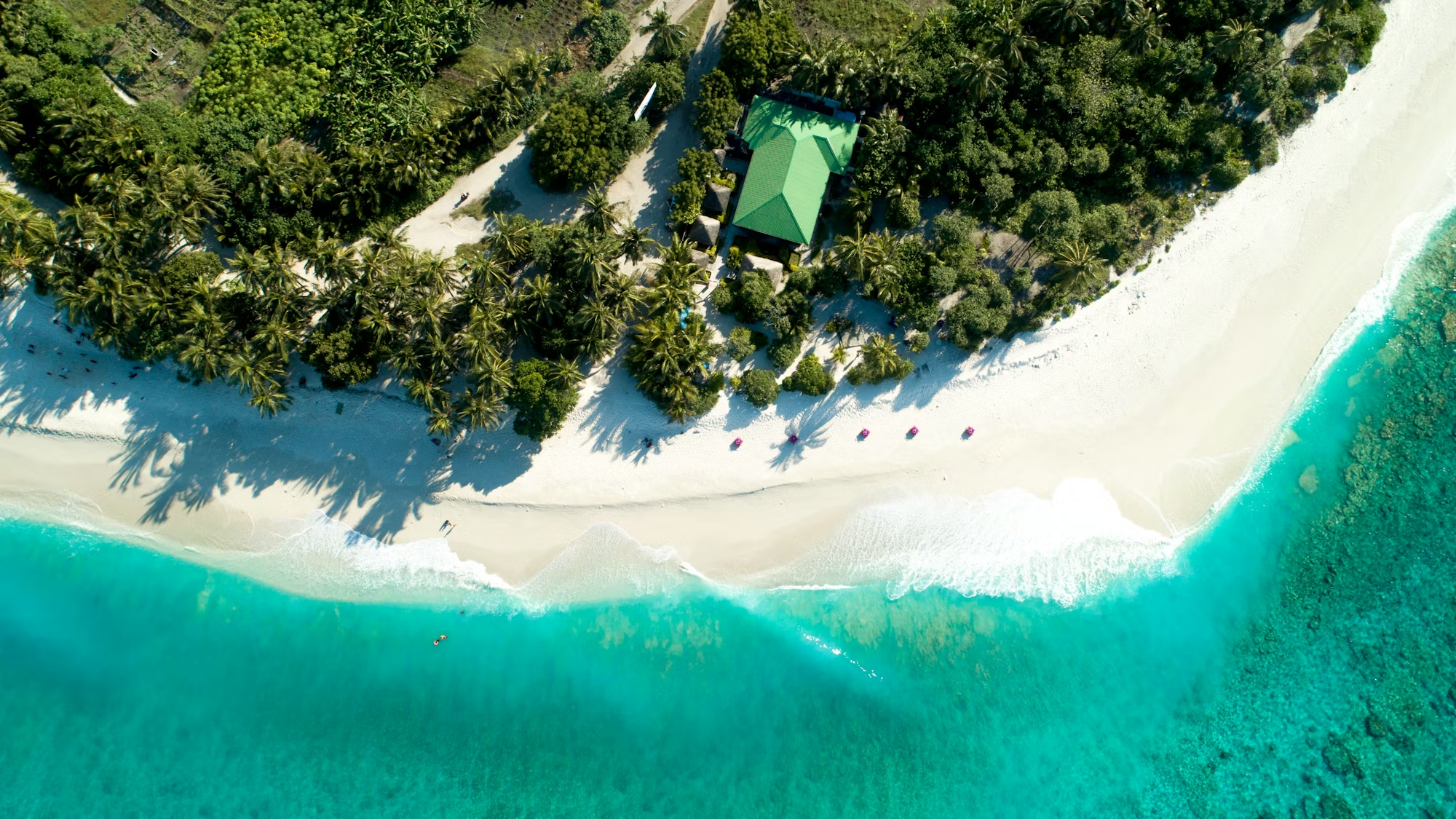
Beneath the Surface: An Exploration of Underwater Activities

The ocean, with its vast expanses and vibrant ecosystems, offers an unparalleled playground for adventure seekers and nature enthusiasts alike. Underwater activities not only provide exhilarating experiences but also foster a deep appreciation for marine environments. This article explores various underwater activities, including recreational diving, snorkeling, freediving, technical diving, and underwater photography, shedding light on what makes each of them unique and exciting.

Recreational Diving: The Gateway to the Underwater World
Recreational diving is often the first step for many individuals eager to explore the underwater world. This form of diving allows individuals to immerse themselves in stunning marine environments while using scuba gear that facilitates breathing underwater. The experience of descending into the ocean, surrounded by colorful coral reefs and diverse marine life, is nothing short of magical.

For many, the adventure begins with obtaining a diving certification, typically through organizations such as PADI or SSI. These courses cover essential skills and safety protocols, ensuring that divers can navigate underwater environments safely and responsibly. Once certified, divers can explore some of the most breathtaking locations around the globe, from the Great Barrier Reef in Australia to the vibrant waters of the Caribbean.

Snorkeling: A Simple Yet Rewarding Experience
For those who may not be ready for full scuba diving, snorkeling is an accessible and enjoyable alternative. Snorkeling requires minimal equipment—a mask, snorkel, and fins—allowing individuals to observe underwater life from the surface. This activity is especially popular among families and beginners, providing an easy introduction to the wonders of the ocean.

Many renowned snorkeling destinations, such as the Maldives and Hawaii, offer clear waters teeming with marine life. As snorkelers glide over coral reefs, they can witness the beauty of schools of fish, vibrant corals, and even the occasional sea turtle. The simplicity of snorkeling makes it a perfect option for those looking to enjoy the ocean without the need for extensive training or equipment.

Freediving: The Art of Breath-Holding
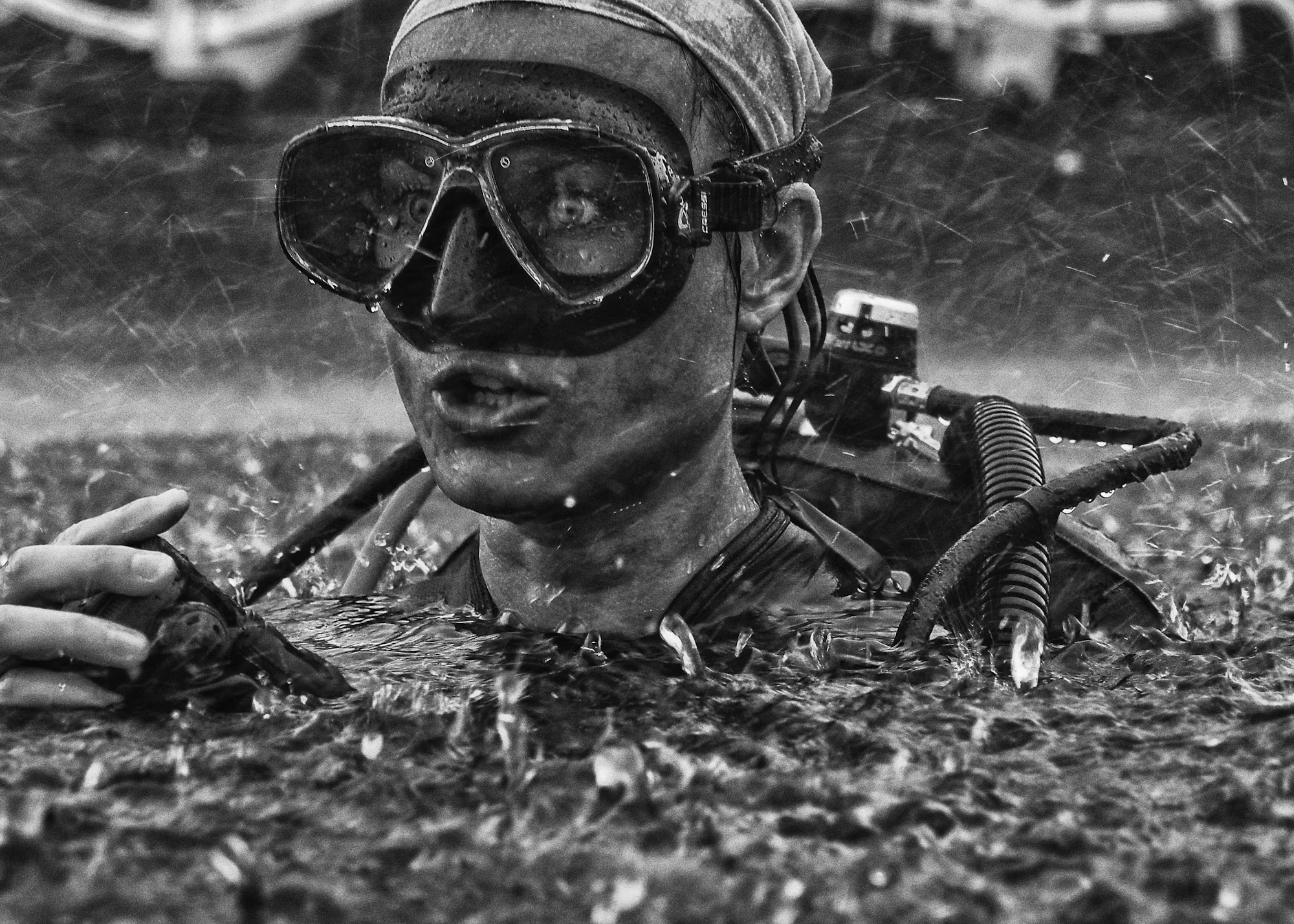
Freediving, also known as apnea diving, presents a thrilling alternative to scuba diving by allowing individuals to explore underwater environments without the use of tanks. Freedivers rely solely on their ability to hold their breath while diving, emphasizing relaxation and technique. This form of diving fosters a profound connection to the water and its inhabitants, as divers become attuned to their bodies and surroundings.

Training for freediving involves mastering breath-holding techniques and developing physical conditioning to enhance lung capacity. Freediving can range from leisurely exploration of shallow waters to competitive disciplines that challenge divers to reach remarkable depths. The experience of freediving is often described as meditative, as divers float weightlessly and become one with the ocean.

Technical Diving: Exploring the Depths
For those who seek to push the boundaries of underwater exploration, technical diving offers an exciting challenge. This advanced form of diving requires specialized training and equipment, enabling divers to venture into deeper waters and more complex environments, such as wrecks and caves. Technical diving allows divers to explore sites that are often inaccessible to recreational divers, revealing a world of wonder beneath the surface.

One of the key aspects of technical diving is the use of mixed gases, which optimizes breathing at various depths. Divers learn to manage different gas mixtures to avoid complications that can arise during deeper dives. This level of training equips divers with the skills needed to handle emergencies and navigate the complexities of underwater exploration.

Underwater Photography: Capturing Oceanic Beauty
One of the most rewarding aspects of diving is the ability to document and share experiences through underwater photography. With specialized camera equipment designed for aquatic environments, divers can capture stunning images of marine life, vibrant coral reefs, and breathtaking underwater landscapes. Underwater photography not only allows divers to preserve memories but also raises awareness about marine conservation.

Mastering underwater photography requires a blend of technical skills and an understanding of the unique challenges posed by the underwater environment. Factors such as lighting, water clarity, and marine life behavior play a crucial role in capturing the perfect shot. Many divers invest time in learning photography techniques, participating in workshops, and experimenting with different styles to enhance their skills.

Wreck Diving: Discovering Sunken History
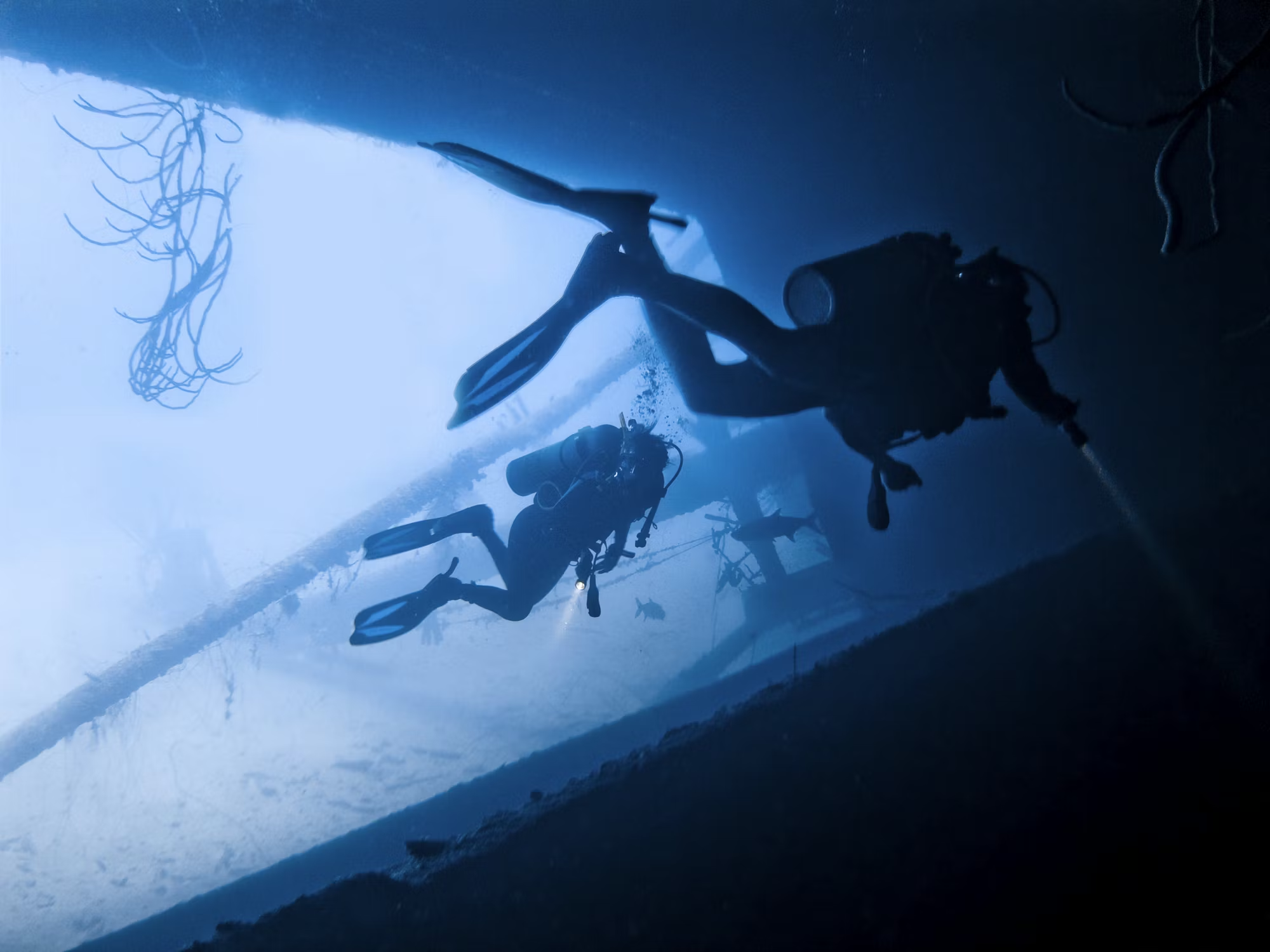
Wreck diving combines the thrill of underwater exploration with a connection to history, as divers explore the remains of sunken ships, airplanes, and other vessels. These underwater sites often serve as artificial reefs, attracting a diverse array of marine life. Wreck diving not only offers a unique diving experience but also provides an opportunity to learn about maritime history and the stories behind these submerged relics.

Each wreck has its own narrative, and divers often find themselves captivated by the history of the site. Famous wreck diving locations include the Thistlegorm in Egypt, a World War II cargo ship, and the USS Liberty in Bali, both rich in history and biodiversity. Exploring these underwater time capsules fosters a deeper appreciation for the ocean and its role in human history.

Cave Diving: Exploring Hidden Wonders
Cave diving is one of the most adventurous forms of diving, requiring specialized training and safety protocols. This discipline allows divers to explore submerged cave systems that are often filled with stunning geological formations and unique ecosystems. Cave diving presents unique challenges, including low visibility and confined spaces, making safety a top priority.

The allure of cave diving lies in the exploration of uncharted territories and the breathtaking beauty found within these natural formations. Each dive offers the chance to discover hidden wonders, from stalactites and stalagmites to vibrant aquatic life adapted to these unique environments. Those who embark on cave diving adventures often describe the experience as otherworldly, as they navigate through tunnels and caverns that feel like another planet.

Night Diving: A Different Perspective
For those looking to add an element of excitement to their diving experience, night diving offers a unique opportunity to explore the underwater world after dark. Night diving reveals a completely different atmosphere, as many marine species exhibit different behaviors at night. Divers can observe nocturnal creatures, including bioluminescent organisms and active predators, creating an exhilarating experience.

Safety is paramount during night dives, and divers must stay close to their buddies and maintain visibility with dive lights. The tranquility of the underwater world at night, combined with the thrill of discovering hidden wonders, creates a memorable experience that many divers cherish.

The Importance of Marine Conservation
As adventurers in the underwater world, divers play a crucial role in marine conservation efforts. The ocean is a delicate ecosystem that requires protection from pollution, overfishing, and climate change. By participating in underwater activities, divers can become advocates for the environment, promoting awareness and supporting conservation initiatives.

Many dive organizations encourage divers to get involved in reef cleanups and educational programs focused on marine preservation. By fostering a sense of responsibility towards the ocean, divers can help ensure that future generations can experience the beauty and wonder of underwater exploration.

Conclusion
The world beneath the surface is a treasure trove of adventure, beauty, and discovery. Whether engaging in recreational diving, snorkeling, freediving, or underwater photography, each experience offers unique insights into the richness of marine ecosystems. As divers embrace the wonders of the ocean, they also take on the responsibility of protecting these fragile environments for the future. With countless opportunities for exploration and adventure, the underwater world awaits, ready to reveal its secrets to those willing to dive in.

Diving into Adventure: Exploring the Depths of the Underwater World

Diving is more than just a thrilling activity; it is a portal to a breathtaking world that lies beneath the surface of the water. With diverse forms ranging from recreational scuba diving to professional underwater photography, each discipline invites individuals to discover the wonders of marine ecosystems. This article will delve into the various types of diving, emphasizing the unique experiences they offer and their significance in promoting ocean conservation.

Scuba Diving: The Gateway to Underwater Exploration
Scuba diving serves as the most accessible entry point for many individuals eager to explore the underwater world. With self-contained underwater breathing apparatus (scuba), divers can descend into the ocean’s depths and experience its beauty firsthand. The thrill of gliding through clear waters, surrounded by vibrant coral reefs and fascinating marine life, captivates both novice and experienced divers alike.

Recreational scuba diving can take place in some of the world’s most renowned locations, such as the Great Barrier Reef in Australia, the stunning waters of the Caribbean, and the diverse ecosystems of the Red Sea. These destinations offer rich biodiversity, making them ideal for exploration. New divers typically start with certification courses from organizations like PADI (Professional Association of Diving Instructors) or SSI (Scuba Schools International). These programs equip divers with essential skills, including safety protocols, equipment handling, and basic underwater navigation.

Once certified, divers can partake in guided dive trips that unveil the mysteries of the ocean. These excursions often lead to sites teeming with marine life, providing a platform for individuals to connect with nature and appreciate the delicate balance of underwater ecosystems.

Technical Diving: A Journey into the Unknown
For those who seek a more profound challenge, technical diving opens the door to deeper and more complex underwater adventures. This advanced form of diving requires specialized training, equipment, and meticulous planning. Technical divers explore environments that many recreational divers cannot access, including sunken ships, underwater caves, and deeper ocean trenches.

This discipline employs various gas mixtures, such as nitrox or trimix, to allow divers to remain submerged for extended periods. Mastery of techniques like decompression procedures, emergency protocols, and gas management is essential for ensuring safety during these dives. The thrill of discovering hidden underwater treasures, coupled with the opportunity to engage in deeper exploration, continues to attract seasoned divers to technical diving.

Freediving: The Art of Breath-Holding
Freediving, or apnea diving, offers a minimalist approach to underwater exploration. Unlike scuba diving, which relies on tanks, freedivers depend solely on their ability to hold their breath while diving. This discipline emphasizes relaxation, mental focus, and physical conditioning, allowing divers to achieve remarkable depths on a single breath.

Training in freediving involves mastering techniques such as equalization, proper body positioning, and efficient swimming. Freediving locations, like the clear waters of the Mediterranean or the stunning cenotes of Mexico, provide ideal settings for practice. Freedivers often cultivate a deep connection with the ocean, appreciating its serenity and the sensations of being submerged without the noise of breathing apparatus.

Competitions in freediving challenge participants to push their limits. Events like static apnea and dynamic apnea showcase athletes’ remarkable abilities to hold their breath or swim underwater distances. The supportive community surrounding freediving encourages personal growth, fostering an environment where divers inspire each other to reach new milestones while promoting ocean awareness.

Snorkeling: A Simple and Enjoyable Experience
For those who prefer a more relaxed approach, snorkeling provides a fantastic opportunity to observe marine life while floating on the surface. Snorkeling requires minimal equipment—a mask, snorkel, and fins—making it an accessible activity for families and casual beachgoers. Many popular tourist destinations, from the Caribbean to Hawaii, offer exceptional snorkeling experiences, allowing participants to witness the beauty of coral reefs and schools of colorful fish.

Guided snorkeling tours enhance the experience by providing insights into the local ecosystem and the importance of marine conservation. Participants can learn about the delicate balance of underwater environments while enjoying the thrill of observing marine life up close. Snorkeling serves as an excellent introduction to the wonders of the ocean, igniting a passion for underwater exploration in many individuals.

Commercial Diving: The Professional Application
While recreational diving captures the hearts of many, commercial diving plays a crucial role in various industries. This discipline involves professional underwater work, including construction, inspection, and scientific research. Commercial divers perform essential tasks, such as repairing underwater structures, conducting inspections, and assisting with marine research initiatives.

Becoming a commercial diver requires specialized training, including safety protocols, operational skills, and teamwork. The work often takes place in challenging conditions, demanding a high level of preparedness and adaptability. As industries increasingly recognize the importance of underwater maintenance and research, the demand for skilled commercial divers continues to grow, presenting a rewarding career path for those passionate about the ocean.

Underwater Photography: Capturing Marine Beauty
Underwater photography combines the thrill of diving with the art of capturing stunning images of marine life and ecosystems. Photographers utilize specialized underwater camera equipment to document the vibrant colors and unique behaviors of aquatic creatures. This discipline requires not only technical skill but also an understanding of marine environments and the best practices for conservation.

The rise of social media and photography competitions has fueled a growing interest in underwater photography, with many divers sharing their breathtaking images to raise awareness about marine conservation. Through their lenses, photographers highlight the beauty and fragility of ocean ecosystems, inspiring others to appreciate and protect the underwater world. This form of art creates a powerful connection between the viewer and the ocean, fostering a greater understanding of the importance of preserving marine environments.

Cave Diving: An Exploration of Hidden Wonders
Cave diving presents a unique and thrilling experience for adventurous divers. This discipline involves exploring submerged cave systems filled with intricate rock formations and stunning underwater landscapes. However, cave diving also comes with inherent risks, requiring specialized training and equipment to navigate confined spaces safely.

Cave divers undergo extensive training to develop essential skills in navigation, buoyancy control, and emergency response. This preparation allows them to explore fascinating underwater environments while prioritizing safety. The sense of adventure and discovery in cave diving captivates many, as divers uncover hidden wonders that few have experienced.

Ice Diving: The Chill of Discovery
Ice diving offers a distinct experience for those willing to brave the cold. This discipline involves diving beneath the ice-covered surfaces of lakes and seas, providing a unique perspective on the underwater world. Ice divers require specialized gear to navigate the cold and often limited visibility conditions.

Planning is essential for ice diving, including establishing safety protocols and maintaining communication with dive partners. The tranquil beauty of underwater ice formations, combined with the adventure of diving in a frigid environment, creates an unforgettable experience. Many divers find that ice diving enhances their appreciation for the ocean’s beauty, showcasing the diversity of aquatic ecosystems in an extraordinary way.

Night Diving: A Unique Perspective
Night diving offers a mesmerizing opportunity to explore the underwater world after dark. This discipline allows divers to witness the fascinating behaviors of nocturnal marine life, revealing a new dimension of the underwater environment. Utilizing specialized dive lights, divers can illuminate the darkness, showcasing a vibrant world that is often hidden during the day.

The serene atmosphere of night dives, combined with the stunning sights of bioluminescent organisms, creates an enchanting experience. This unique perspective encourages divers to deepen their appreciation for the ocean and the delicate balance of its ecosystems. Night diving fosters a sense of adventure and wonder, reminding participants of the ocean’s vast mysteries waiting to be explored.

Conclusion: Embracing the Ocean’s Wonders
Diving is a multifaceted pursuit that invites individuals to engage with the ocean in diverse ways. From recreational scuba diving to professional applications in commercial diving, each discipline offers unique experiences that enhance our understanding of marine life and ecosystems. As divers continue to explore these underwater realms, they play a crucial role in advocating for ocean conservation and preserving the beauty of the underwater world for future generations. Embracing the art and science of diving not only enriches our lives but also strengthens our commitment to protecting the planet’s precious marine environments.

Exploring Snowboarding Destinations: The Best Slopes Around the World

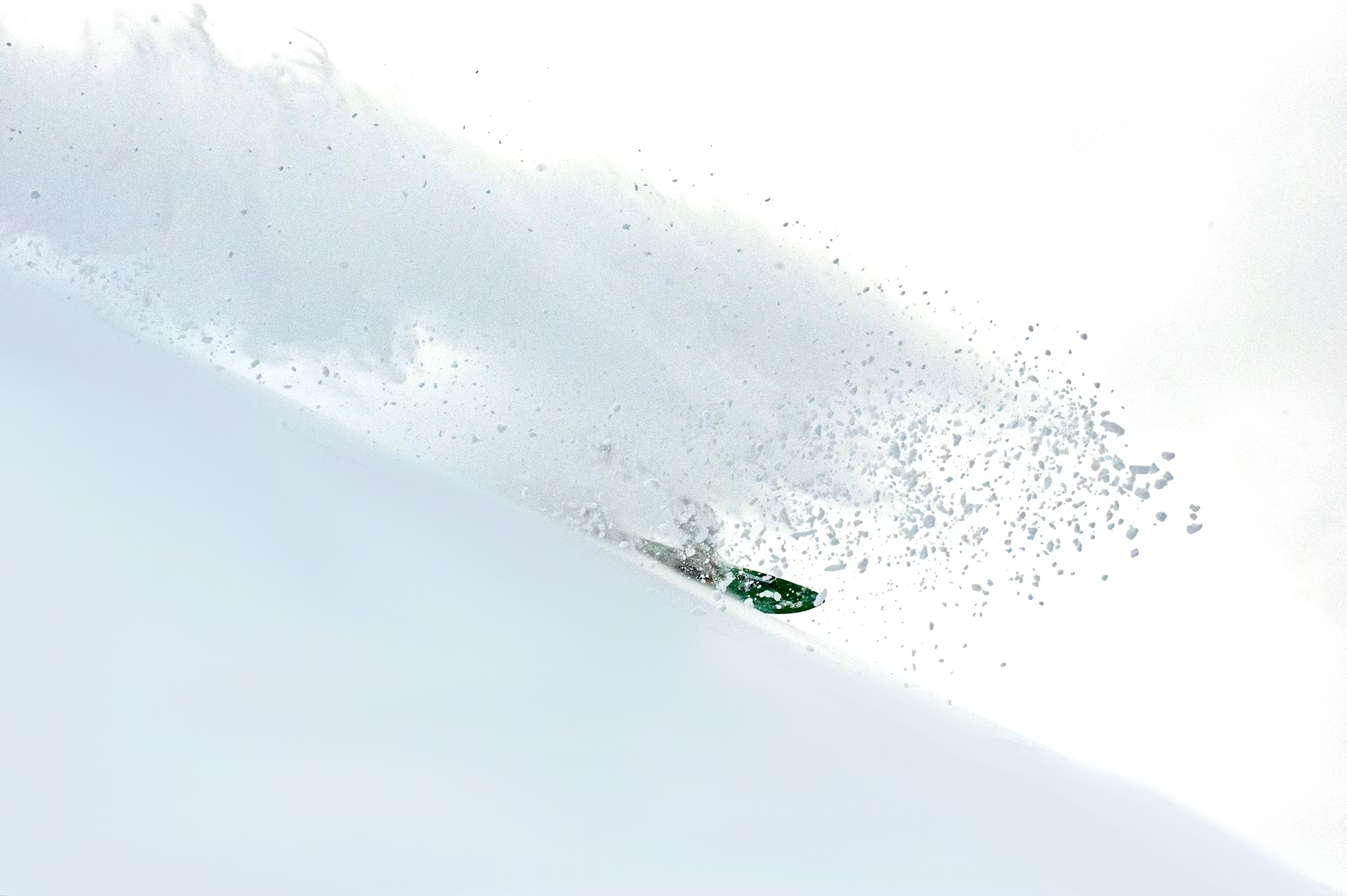
Snowboarding is not just a sport; it’s a lifestyle that draws enthusiasts to stunning mountain ranges across the globe. From powdery slopes to thrilling terrain parks, the world is full of incredible snowboarding destinations that cater to riders of all skill levels. In this article, we’ll explore some of the best snowboarding spots, highlighting their unique features and what makes them special for snowboarders seeking their next adventure.

1. Whistler Blackcomb, Canada

Whistler Blackcomb is one of the largest and most renowned ski resorts in North America, offering an extensive variety of terrains suitable for all snowboarding styles. With over 8,000 acres of skiable terrain, this destination boasts everything from perfectly groomed runs to challenging backcountry slopes. The resort is famous for its impressive terrain parks, which feature an array of jumps, rails, and halfpipes.

In addition to its diverse snowboarding options, Whistler Blackcomb provides a vibrant village atmosphere with shops, restaurants, and nightlife, making it an ideal location for both riding and relaxation. Snowboarders can enjoy the breathtaking views of the surrounding mountains and endless opportunities for adventure, including guided backcountry tours.

2. Aspen, Colorado, USA

Aspen is synonymous with luxury and world-class snowboarding. Known for its picturesque landscapes and upscale amenities, Aspen offers four distinct mountains: Aspen Mountain, Aspen Highlands, Buttermilk, and Snowmass. Each mountain has its own unique character, catering to different skill levels and preferences.

Aspen Mountain is perfect for advanced riders, featuring steep runs and challenging terrain. Snowmass, on the other hand, is ideal for families and beginners, with gentle slopes and an impressive terrain park. The après-ski scene in Aspen is vibrant, with a plethora of high-end dining options and lively entertainment, ensuring that snowboarders can unwind after a thrilling day on the slopes.

3. Chamonix, France

Chamonix is a legendary snowboarding destination nestled at the foot of Mont Blanc, the highest peak in the Alps. Known for its stunning scenery and challenging terrain, Chamonix attracts advanced snowboarders seeking adrenaline-pumping experiences. The area offers extensive off-piste opportunities, with breathtaking views and exhilarating descents.

Chamonix is also famous for its vibrant mountain town, where snowboarders can enjoy local cuisine and immerse themselves in the rich culture of the French Alps. The resort is an ideal base for exploring the surrounding areas, with access to a variety of snowboarding terrains that are sure to thrill even the most seasoned riders.

4. Niseko, Japan

Niseko is renowned for its incredible powder snow, often referred to as some of the best in the world. Located on Japan’s northern island of Hokkaido, Niseko attracts snowboarders from around the globe who come to experience its light, dry snow and diverse terrain. The area offers a unique blend of backcountry opportunities and well-groomed runs, making it suitable for both beginners and advanced riders.

The cultural experience in Niseko is equally captivating, as visitors can enjoy traditional Japanese cuisine, relax in onsen (hot springs), and participate in unique cultural experiences. The warm hospitality of the local community adds to the charm of this remarkable snowboarding destination, making it a must-visit for any avid snowboarder.

5. Park City, Utah, USA

Park City is another fantastic snowboarding destination in the United States, boasting the largest ski area in the country. With over 7,300 acres of skiable terrain, Park City offers something for everyone, from groomed runs to challenging terrain parks. The resort’s terrain features a variety of features, including jumps, rails, and halfpipes, catering to freestyle enthusiasts and racers alike.

Beyond the slopes, Park City is home to a charming historic district filled with shops, restaurants, and art galleries. The town’s lively atmosphere, combined with its world-class snowboarding options, makes it a popular destination for riders looking to enjoy both thrilling runs and vibrant nightlife.

6. Laax, Switzerland

Laax is a hidden gem in the Swiss Alps, known for its extensive freestyle terrain and stunning landscapes. With one of the largest terrain parks in Europe, Laax is a paradise for freestyle snowboarders, featuring an impressive array of jumps, rails, and halfpipes. The area is also famous for its breathtaking natural scenery, making every run a visual delight.

Laax is committed to sustainability, with efforts to protect the environment and promote eco-friendly practices within the resort. The welcoming atmosphere and friendly community add to the charm, making it an inviting destination for snowboarders of all levels.

7. Mammoth Mountain, California, USA

Mammoth Mountain is a favorite among snowboarders in California, offering a vast array of terrain options and a long season that often extends into summer. With over 3,500 acres of skiable terrain, this resort caters to all skill levels, from beginners to experts. The area features multiple terrain parks, ensuring that freestyle enthusiasts can find the perfect spot to practice their skills.

Mammoth’s stunning views of the Sierra Nevada mountains make it a picturesque destination, while the surrounding town offers a laid-back vibe with a variety of dining and entertainment options. The combination of excellent snow conditions and a welcoming community makes Mammoth Mountain a top choice for snowboarders.

8. St. Anton, Austria

St. Anton is one of the premier snowboarding destinations in the Alps, known for its challenging terrain and vibrant après-ski scene. The resort offers an impressive network of slopes, catering to both advanced and intermediate riders. With plenty of off-piste opportunities, St. Anton is perfect for snowboarders looking for adventure and excitement.

The town is filled with charming chalets and lively bars, providing a warm and inviting atmosphere for visitors. St. Anton’s rich history and culture enhance the experience, making it a captivating destination for snowboarders looking to explore the Austrian Alps.

Conclusion: Your Next Snowboarding Adventure Awaits

From North America to Europe and beyond, the world is filled with incredible snowboarding destinations that offer unique experiences and breathtaking landscapes. Whether you’re seeking challenging terrain, vibrant communities, or simply the best powder, these locations provide something for every snowboarder. As you plan your next adventure, consider exploring one of these top snowboarding spots to make unforgettable memories on the slopes. Embrace the thrill of snowboarding, connect with fellow riders, and immerse yourself in the beauty of winter sports across the globe.

Dive Into Adventure: A Journey Through Various Diving Activities

Diving into the deep blue offers a thrilling opportunity to connect with the underwater world, unveiling a diverse tapestry of marine life and breathtaking landscapes. Whether it’s the adventurous allure of scuba diving or the serene beauty of snorkeling, each diving discipline presents its own set of experiences that captivate enthusiasts. This article explores various diving activities, showcasing their techniques, joys, and the stunning environments they reveal.

Scuba Diving: A Portal to Underwater Wonders
Scuba diving is perhaps the most well-known form of underwater exploration. With specialized equipment, including a self-contained underwater breathing apparatus, divers can venture into a myriad of environments, from vibrant coral reefs to fascinating shipwrecks. The thrill of descending into the ocean depths transforms the surrounding world into a colorful and lively habitat filled with fish, corals, and other marine creatures.

Many scuba divers begin their journey with certification courses, which provide essential training on safety protocols, equipment usage, and dive planning. These courses are typically conducted by certified instructors who guide beginners through the basics, ensuring they feel comfortable and confident in the water. As divers gain experience, they can explore popular dive sites, often accompanied by experienced guides who share their knowledge of marine life and local ecosystems.

One of the most captivating aspects of scuba diving is the direct interaction with marine ecosystems. Divers have the unique opportunity to observe marine life in its natural habitat, whether it’s swimming alongside graceful manta rays or encountering colorful schools of fish. Each dive can unveil new wonders, fostering a deep appreciation for the ocean’s beauty and the importance of conservation efforts to protect these vital ecosystems.

Snorkeling: An Accessible Ocean Experience
For those looking for a more casual introduction to underwater exploration, snorkeling offers a fantastic alternative. Requiring minimal equipment—a mask, snorkel, and fins—snorkeling allows participants to float on the water’s surface while observing the vibrant marine life below. This activity is particularly appealing to families and beginners, as it does not require extensive training or experience.

Many popular snorkeling destinations feature shallow reefs teeming with life, making it easy for snorkelers to spot colorful fish and intricate coral formations. The gentle movement through the water creates a peaceful atmosphere, inviting individuals to take their time and appreciate the beauty of the underwater landscape. Snorkeling can often lead to spontaneous encounters with marine creatures, such as sea turtles or playful dolphins, enhancing the overall experience.

The simplicity of snorkeling makes it a beloved activity among beachgoers. Participants can explore at their own pace, enjoying the calmness of the ocean while fostering curiosity about marine ecosystems. Many snorkelers find that their experiences spark a desire to learn more about the ocean and its inhabitants, often leading them to consider more advanced diving experiences in the future.

Freediving: Embracing Breath and Relaxation
Freediving, also known as apnea diving, offers a unique approach to exploring the underwater world. This discipline emphasizes breath-holding techniques, allowing divers to dive without the aid of tanks or bulky equipment. Freedivers learn to manage their breath and body, fostering a profound connection with the ocean while promoting relaxation and mindfulness.

With just a wetsuit, fins, and a mask, freedivers can glide effortlessly through the water, experiencing a sense of freedom and tranquility. The focus on breath control encourages a deeper awareness of one’s body and surroundings, allowing divers to explore various depths while appreciating the serenity of the underwater environment. Freediving is not only a physical activity but also a meditative experience, offering a unique perspective on the ocean’s beauty.

Competitive freediving has gained popularity, with disciplines such as static apnea, dynamic apnea, and depth challenges. Each discipline offers its own set of challenges and rewards, pushing freedivers to refine their techniques and expand their limits. The camaraderie among freedivers often enhances the experience, creating a supportive community that shares a passion for underwater exploration.

Technical Diving: The Next Level of Adventure
For seasoned divers seeking new challenges, technical diving provides the opportunity to explore deeper waters and more complex environments. This discipline requires specialized training and equipment, enabling divers to navigate intricate underwater caves or explore historic shipwrecks. Technical diving often involves meticulous planning and a thorough understanding of dive physics, making safety and preparation essential.

The allure of technical diving lies in the exploration of hidden gems that few have the chance to experience. From navigating the depths of underwater caves to uncovering the mysteries of sunken vessels, technical divers engage in extraordinary adventures. Each dive can reveal stunning geological formations or marine life rarely seen by others, enhancing the sense of achievement and wonder.

However, safety remains a priority in technical diving. Divers must adhere to strict guidelines and understand the risks associated with deeper dives. With proper training and respect for the underwater environment, technical diving can lead to incredible experiences that showcase the ocean’s beauty and complexity.

Underwater Photography: Capturing the Ocean’s Splendor
One of the most rewarding aspects of diving is the opportunity for underwater photography, which allows divers to document the stunning visuals of marine life and underwater landscapes. Using specialized equipment designed for underwater use, photographers can capture breathtaking images that highlight the vibrant colors and intricate details of the ocean.

Underwater photography presents its own unique challenges, as divers must adapt to the lighting and dynamics of the underwater environment. The ability to capture stunning images not only creates lasting memories but also promotes awareness of marine conservation. By sharing their photographs, underwater photographers inspire others to appreciate the delicate balance of ocean ecosystems and advocate for responsible behaviors that protect these environments.

Through their lenses, underwater photographers tell compelling stories about the ocean and its inhabitants. Their images can evoke emotions and foster a deeper understanding of the challenges facing marine life, encouraging viewers to become advocates for ocean conservation. The art of underwater photography enriches the diving experience, adding a creative dimension to underwater exploration.

Wreck Diving: Unearthing History Beneath the Waves
Wreck diving offers the chance to explore the remnants of sunken ships, aircraft, and other structures, many of which have become vibrant artificial reefs. Each wreck carries its own story, providing a glimpse into the past and creating exciting adventures for divers. The thrill of discovering these underwater artifacts combines the joy of exploration with a sense of historical appreciation.

Wrecks often attract diverse marine species, transforming them into lively ecosystems. Divers can witness the fascinating interaction between marine life and human history, as schools of fish weave through the remains of a once-great vessel. The opportunity to uncover the tales behind these submerged treasures fosters a sense of wonder and curiosity about maritime history.

Responsible wreck diving emphasizes the importance of respecting historical artifacts and protecting the ecosystems that have developed around these sites. Divers are encouraged to follow guidelines that ensure the preservation of the wrecks and the well-being of the marine life that inhabits them. This mindful approach enhances the overall experience, allowing divers to connect with both the past and the present.

Conclusion: The Endless Allure of the Ocean
The world of diving activities offers a myriad of opportunities for adventure and exploration, inviting individuals to connect with the ocean and discover the wonders beneath the surface. From the immersive experiences of scuba diving and the tranquil beauty of snorkeling to the mindfulness of freediving and the challenges of technical diving, each discipline reveals unique aspects of the underwater realm.

As divers engage in these activities, they cultivate a deeper appreciation for the ocean and its ecosystems, fostering a sense of responsibility to protect and conserve these precious environments. With proper training, respect for nature, and a spirit of adventure, the ocean continues to captivate and inspire those who seek to explore its depths, creating lasting memories and a lifelong passion for the aquatic world.

Discovering the Underwater World: A Journey Through Diving Adventures

Diving is more than just a hobby; it is a gateway to exploring the fascinating underwater world that is often hidden from view. With a variety of disciplines available, each offering unique experiences and challenges, divers of all skill levels can find something that resonates with their sense of adventure. In this article, we will delve into different types of diving, the skills required, and the breathtaking environments that divers can explore.

The Thrill of Scuba Diving

Scuba diving is perhaps the most well-known form of diving, drawing millions of enthusiasts around the globe. Utilizing self-contained underwater breathing apparatus (scuba gear), divers are able to explore vibrant ecosystems, from colorful coral reefs to mysterious shipwrecks. The versatility of scuba diving allows individuals to enjoy both leisure and exploration, making it an ideal starting point for many.

For those interested in scuba diving, the journey often begins with a certification course. These courses cover essential skills such as underwater navigation, buoyancy control, and emergency procedures. Instructors provide guidance in various settings, helping students to become confident and competent divers. Popular destinations like the Great Barrier Reef and the crystal-clear waters of the Caribbean offer spectacular visuals and abundant marine life, making them ideal for both beginners and seasoned divers.

As divers gain experience, they often seek out more challenging dives, including deeper waters and unique environments like night diving. Night diving transforms the underwater landscape, revealing nocturnal marine life that becomes active after dark. This unique perspective not only enhances the diving experience but also fosters a deeper connection with the ocean and its inhabitants.

Freediving: The Art of Breath-Holding

Freediving, or apnea diving, offers a different approach to underwater exploration, focusing on breath-holding techniques instead of relying on equipment. This discipline emphasizes a connection with the ocean, encouraging divers to embrace their natural abilities and explore underwater beauty without the constraints of scuba gear.

Freediving is often practiced in shallower waters, where divers can safely explore while honing their breath-holding skills. This discipline promotes mindfulness and relaxation, allowing individuals to experience the underwater world in a profound and personal way. For those interested in competition, freediving features various disciplines, including static apnea (holding breath underwater) and dynamic apnea (swimming underwater on a single breath).

Many freedivers are drawn to the simplicity and tranquility of this sport. As they develop their skills, they can explore deeper depths and discover hidden wonders, reveling in the freedom of moving gracefully through the water. The sense of achievement that comes from mastering breath-holding techniques adds to the allure of freediving, making it a rewarding pursuit.

Technical Diving: Exploring New Frontiers

Technical diving is an advanced discipline that allows experienced divers to explore more complex underwater environments. This form of diving requires specialized training and equipment, enabling divers to venture into deeper waters and challenging conditions such as caves or shipwrecks.

Technical divers often utilize mixed gases and advanced decompression techniques to safely extend their time underwater. Exploring shipwrecks, in particular, can be an exhilarating experience, as many wrecks have become artificial reefs that attract diverse marine life. The thrill of uncovering the stories behind these sunken vessels adds a layer of excitement to technical diving, allowing divers to connect with history while witnessing the ocean’s reclamation of these sites.

Safety and planning are crucial aspects of technical diving. Comprehensive training courses cover advanced diving theories, gas management, and emergency protocols, ensuring that divers are well-prepared for the challenges that may arise. This discipline appeals to experienced divers eager to push their limits and delve into the ocean’s depths in unprecedented ways.

Commercial Diving: A Professional Pursuit

Commercial diving represents a vital aspect of underwater exploration, where skilled divers engage in various professional tasks across different industries. Activities may include underwater construction, maintenance, inspection, and marine research. This field requires divers to possess a diverse skill set, technical expertise, and a thorough understanding of safety protocols.

Many commercial divers undergo rigorous training to prepare for the complexities of their work, which may involve using specialized equipment for tasks like underwater welding or salvage operations. While commercial diving may not offer the leisurely aspects of recreational diving, it provides unique rewards. Professionals contribute to important projects and often work in environments that the average diver may never experience.

The thrill of tackling underwater challenges and contributing to meaningful work can be incredibly fulfilling for those passionate about the ocean. Commercial diving blends responsibility, skill, and adventure, appealing to individuals eager to make a difference while exploring the depths.

Underwater Photography: Capturing the Beauty

With the rise in popularity of diving, underwater photography and videography have become beloved disciplines. This aspect of diving allows individuals to document their underwater experiences and share the breathtaking beauty of the ocean with a wider audience. Capturing stunning images of marine life, intricate coral formations, and mesmerizing underwater landscapes requires both diving skills and photographic techniques.

Divers often invest in specialized underwater camera equipment and learn to navigate the unique challenges of lighting and composition in an underwater setting. This artistic pursuit enhances the diving experience, allowing individuals to showcase the wonders of the ocean. Workshops and courses focused on underwater photography are increasingly available, enabling divers to refine their skills and creativity.

By sharing their photographs and videos on social media and other platforms, divers can raise awareness about marine conservation, showcasing the fragile beauty of underwater ecosystems and inspiring others to appreciate and protect them. This blend of adventure and creativity holds the potential to positively impact ocean conservation efforts, encouraging a greater appreciation for the oceans.

Cave Diving: Venturing into the Unknown

Cave diving offers an exhilarating opportunity for those willing to explore submerged cave systems. This discipline requires specialized training due to the confined spaces and potential hazards involved. Cave divers navigate intricate passages, often in complete darkness, relying on their skills and equipment to safely explore these unique environments.

The beauty of cave diving lies in the stunning rock formations and the thrill of discovering hidden underwater worlds. However, safety is paramount; divers must be well-prepared and often rely on guides familiar with the cave systems. The experience can be both awe-inspiring and humbling, fostering a unique connection to nature and the underwater realm.

Ice Diving: A Unique Experience

Ice diving, although less common, provides a spectacular opportunity to explore beneath frozen surfaces. Divers venture into icy waters, often cutting holes in the ice to access the underwater environment. This discipline requires specialized equipment and techniques to ensure that divers remain safe while enjoying the stunning visuals of ice formations and unique marine life below.

The experience of ice diving can be magical, offering divers a chance to witness a surreal world shaped by ice and light. Many divers find joy in the tranquility and beauty of this unique environment, as well as the thrill of exploring a landscape few people ever experience.

Night Diving: A Different Perspective

Night diving offers another captivating dimension to underwater exploration, allowing divers to witness the ocean’s wonders under the soft glow of their dive lights. Many marine species become active after dark, presenting unique opportunities to observe behaviors not seen during daytime dives. The experience can be both exhilarating and serene, as divers glide through the water, discovering the hidden treasures of the night.

Conclusion: Embracing the Underwater Journey

In conclusion, the world of diving is diverse and rich, offering something for everyone. Whether you are a novice looking to take your first plunge or an experienced diver seeking new challenges, the underwater realm is filled with beauty and wonder. Each diving discipline presents unique experiences that deepen our appreciation for the oceans and the life within them. Embrace the adventure of diving and discover the depths that await, all while advocating for the preservation of our precious marine environments.

Exploring the Thrills of Skateboarding: A Journey Through Styles and Techniques

Skateboarding is a dynamic and exhilarating sport that transcends mere recreation; it embodies a lifestyle, an art form, and a community of passionate individuals. Originating in the 1950s, skateboarding has transformed from a simple pastime into a global phenomenon, evolving into diverse styles and disciplines, each with its unique flair. This article aims to explore the thrilling world of skateboarding, shedding light on its various styles, techniques, and the vibrant culture that unites skaters worldwide.

At its core, skateboarding is about creativity and self-expression. Each skater brings their personality to the board, whether they are executing tricks on urban streets, soaring high in a vert ramp, or gracefully carving through bowls. The beauty of skateboarding lies in its diversity, offering something for everyone. From beginners looking to learn the basics to seasoned pros pushing the limits, skateboarding fosters a sense of community and camaraderie.

Street Skateboarding: The Urban Playground

Street skateboarding is perhaps the most recognizable style, where skaters use urban environments as their playgrounds. From handrails to curbs and stair sets, the cityscape transforms into a canvas for creativity. This style encourages skaters to innovate, using their surroundings to perform tricks and express their individuality. Techniques such as ollies, kickflips, and grinds are fundamental, but it’s the personal flair that sets each skater apart.

The culture surrounding street skating is vibrant and inclusive. Skaters often gather in local spots, sharing tips and pushing each other to try new tricks. Filming sessions and skate videos are common, capturing the raw energy of street skating and showcasing talent. This shared experience builds a sense of belonging, where skaters can celebrate each other’s achievements and learn from one another.

Vert Skateboarding: The Aerial Challenge

Vert skating introduces a thrilling dimension to the sport, taking place in halfpipes and ramps designed for high-flying tricks. Skaters launch themselves into the air, performing spins, grabs, and flips while defying gravity. This style requires not only physical skill but also mental resilience, as skaters must overcome the fear of falling and the challenge of mastering complex maneuvers.

The vert community is known for its supportive atmosphere. Skaters often cheer each other on during sessions, creating an encouraging environment that fosters growth. Competitions, such as X Games and Dew Tour, showcase the ultimate talents in vert skating, where athletes push the limits of what is possible in the air. The adrenaline rush of landing a difficult trick after countless attempts is a rewarding experience that drives many to pursue vert skating relentlessly.

Bowl and Pool Skateboarding: Flowing Through Curves

Bowl and pool skateboarding is a unique discipline that focuses on carving and flowing through curved surfaces. Whether in specially designed skate parks or empty swimming pools, skaters learn to navigate the transitions, using momentum to execute stylish tricks. This style emphasizes fluidity and rhythm, encouraging skaters to develop their unique approach to riding.

The sensation of riding the walls of a bowl, carving through curves, and launching into the air creates an exhilarating experience that many skaters crave. Bowl skating combines elements of freestyle and vert, requiring both agility and creativity. Skaters often spend hours honing their skills, experimenting with different lines and tricks to discover their personal style. The community surrounding bowl skating is often tight-knit, with skaters supporting one another as they progress.

Freestyle Skateboarding: The Art of Balance

Freestyle skateboarding stands out for its emphasis on technical tricks performed on flat surfaces. This discipline celebrates balance, precision, and creativity, allowing skaters to showcase their skills without the need for ramps or obstacles. Tricks such as finger flips, no-complies, and shuvits are central to freestyle skating, each executed with a unique flair.

Freestyle skating is often seen as a form of performance art. Skaters develop their routines, combining tricks with fluid movements and footwork that tell a story. This artistic approach invites skaters to express themselves fully, often leading to innovative and eye-catching displays of skill. Freestyle competitions highlight these performances, where creativity is just as important as technical ability.

Longboarding: A Different Perspective

Longboarding offers a different approach to skating, focusing on cruising and carving rather than tricks. Longboards, with their extended decks and larger wheels, provide a smoother ride, making them ideal for transportation and leisurely cruising. Skaters often enjoy the feeling of gliding down hills and carving through turns, embracing the freedom that longboarding offers.

Downhill longboarding introduces an adrenaline-pumping experience, where skaters navigate steep hills at high speeds. Mastering downhill riding requires skill, control, and an understanding of the board’s dynamics. Longboarding communities often emphasize safety and sharing knowledge, ensuring that skaters can enjoy the thrill while minimizing risks. Whether commuting or cruising for fun, longboarding creates a sense of community among riders who share a passion for the open road.

Slalom Skateboarding: Precision in Motion

Slalom skateboarding is all about precision and agility, involving navigating a course marked by cones or obstacles. This discipline focuses on quick reflexes and the ability to make sharp turns while maintaining speed. Skaters must master their technique to weave through the course seamlessly, showcasing their control and balance.

Competitions in slalom skateboarding highlight the skill involved in navigating tight courses, with participants often sharing strategies and techniques to improve their performance. The friendly competition fosters a supportive environment where skaters can learn from each other and push their limits. Slalom skating emphasizes the beauty of movement, with skaters flowing through the course like dancers on a stage.

Park Skateboarding: The Controlled Environment

Skateparks provide a controlled environment for skaters to practice various styles, combining elements from street skating, vert, and bowl riding. With ramps, rails, and obstacles, skateparks offer endless possibilities for creativity and experimentation. This environment fosters learning, as skaters can try new tricks without the unpredictability of street spots.

The skatepark community thrives on collaboration and support. Skaters of all ages and skill levels come together to share tips, showcase tricks, and enjoy the camaraderie that skateboarding fosters. Events and contests held in skateparks celebrate local talent, creating a sense of pride and belonging within the community. The skatepark serves as a hub for creativity, where skaters can continuously push the boundaries of their abilities.

Off-Road Skateboarding: Adventure Awaits

For those seeking adventure, off-road skateboarding offers the thrill of riding on rugged terrain. Mountain boarding involves specialized boards designed for uneven surfaces, allowing skaters to navigate trails, dirt paths, and hills. This style combines the excitement of downhill riding with the freedom of exploring nature, inviting skaters to experience the great outdoors.

The off-road skating community is passionate about adventure and exploration. Riders often organize group outings, sharing experiences and tips for tackling various terrains. The sense of camaraderie extends beyond skating, as participants bond over their love for adventure and the thrill of riding in nature. Off-road skateboarding invites skaters to connect with their surroundings, creating memorable experiences that enrich their love for the sport.

Crossover Styles: Blending Techniques

As skateboarding continues to evolve, crossover styles have emerged, blending elements from various disciplines. Street/park fusion exemplifies this trend, encouraging skaters to experiment with different tricks and techniques. This creative approach invites skaters to explore new ways of expressing themselves, transcending traditional boundaries.

Crossover styles reflect the diversity of skateboarding, showcasing the individuality of each skater. By combining techniques from different disciplines, skaters develop unique identities that contribute to the rich tapestry of skate culture. This spirit of innovation fosters collaboration, where skaters inspire one another to push their limits and embrace new possibilities.

Conclusion

Skateboarding is a multifaceted sport that offers a myriad of styles and disciplines, each with its own unique challenges and rewards. Whether you are drawn to the urban creativity of street skating, the high-flying action of vert, or the smooth cruising of longboarding, there is a place for everyone in this vibrant culture. Embracing the diversity of skateboarding allows individuals to explore their passion while connecting with a global community that celebrates freedom, creativity, and self-expression. As you embark on your own skateboarding journey, remember that the essence of the sport lies in not only mastering tricks but also enjoying the ride and the connections you make along the way.

Casting a Line: An In-Depth Guide to Fishing Techniques and Experiences

Fishing is an age-old activity that captivates millions around the globe, offering a unique blend of relaxation, adventure, and connection with nature. Whether you’re a seasoned angler or a novice looking to cast your first line, understanding the diverse techniques and experiences in fishing can enhance your enjoyment of this timeless pursuit. In this article, we will delve into various fishing methods, provide practical tips for improving your skills, and celebrate the joy of fishing adventures that create lasting memories.

The Basics of Fishing Techniques

Fishing techniques vary widely, each offering distinct challenges and rewards. Exploring these methods can help you find the right approach for your fishing style and the environments you enjoy.

Angling: The Foundation of Fishing

At its core, angling is the most popular form of fishing, involving the use of rods, reels, and bait. This method allows anglers to target a variety of species in different water environments, from freshwater lakes to saltwater oceans.

Spinning

Spinning is a versatile angling technique that uses a spinning rod and reel to cast lures or live bait. This method is popular for its ease of use and effectiveness across many species, including bass, trout, and panfish. Spinning tackle comes in various sizes and strengths, allowing anglers to adapt to different fishing conditions. One of the joys of spinning is the ability to experiment with various lures and retrieve techniques, keeping the experience fresh and exciting.

Fly Fishing

Fly fishing is often described as an art form, combining skill, finesse, and an appreciation for nature. This technique uses lightweight artificial flies to imitate insects or small baitfish. Fly fishing is particularly effective in rivers and streams, where species like trout and salmon thrive. Successful fly fishing requires a solid understanding of fish behavior, as well as knowledge of local insect hatches and seasonal patterns. The meditative nature of casting and the thrill of a strike make fly fishing a deeply rewarding experience for many anglers.

The World of Net Fishing

Net fishing encompasses methods that often involve teamwork, making them enjoyable for groups of anglers. Two well-known net fishing techniques are casting nets and seine nets.

Casting Nets

Casting nets are circular nets with weighted edges, designed to be thrown into the water to trap fish. This technique is particularly effective in shallow areas where fish tend to congregate. The skill of mastering the throw adds a level of excitement to the experience. Once you’ve perfected your technique, the thrill of watching the net sink and hoping for a catch is hard to beat. Casting nets also provide an opportunity to learn more about local fish species and their behaviors.

Seine Nets

Seine nets are larger nets used to encircle schools of fish. These nets can be deployed from boats or dragged along the shore, making them versatile for capturing various species. Seine fishing often requires collaboration, enhancing the social aspect of the experience. The excitement of working together to set and retrieve the net creates a memorable outing filled with camaraderie and teamwork.

Trawling: The Commercial Approach

While primarily a commercial fishing method, trawling can also be adapted for recreational use. This technique involves dragging a large net through the water to capture fish and other marine life.

Bottom Trawling

Bottom trawling consists of dragging a net along the seafloor to catch species such as cod, shrimp, and flounder. Although effective, bottom trawling raises concerns about environmental sustainability, as it can disturb fragile ecosystems. Responsible fishing practices are essential to minimize impact and maintain healthy marine populations.

Midwater Trawling

Midwater trawling targets fish that swim in the water column, such as mackerel and herring. By adjusting the depth of the nets, anglers can optimize their catch based on fish behavior and environmental conditions. This method requires knowledge and adaptability, making it both a strategic and rewarding experience for anglers.

The Adventure of Spearfishing

Spearfishing combines the thrill of hunting with fishing, offering a unique challenge for those willing to dive into the underwater world. This technique can be practiced through free diving or scuba diving.

Free Diving Spearfishing

Free diving involves holding your breath while diving underwater to catch fish with a spear gun. This method demands physical fitness and an understanding of marine ecosystems. The adrenaline rush of stalking fish beneath the surface and the satisfaction of a successful catch create an exhilarating experience. Free diving fosters a deep appreciation for the underwater environment, encouraging responsible fishing practices that protect aquatic life.

Scuba Diving Spearfishing

Scuba diving opens up a world of exploration, allowing anglers to dive deeper and target larger species like grouper and snapper. The excitement of encountering marine life up close enhances the thrill of this technique. However, it requires training and knowledge of safety protocols to ensure a successful and enjoyable outing. Scuba diving not only broadens the scope of fishing adventures but also deepens the connection to the underwater world.

Ice Fishing: A Unique Winter Experience

Ice fishing transforms frozen lakes into unique fishing grounds during the winter months. This method involves drilling holes in the ice and using specialized gear to catch fish.

Techniques and Gear

Ice fishing requires specific equipment, including ice augers to drill holes and tip-ups that signal bites. Many anglers set up shelters to protect against the cold, creating a comfortable environment to enjoy the fishing experience. Patience is key, as fish may be less active during winter. The social aspect of ice fishing often leads to gatherings of friends and family, sharing stories and enjoying each other’s company while waiting for a bite.

The Significance of Sustainable Fishing

As responsible anglers, it is essential to recognize our role in preserving aquatic ecosystems. Sustainable fishing practices ensure that fish populations remain healthy and waterways are protected for future generations.

Adhering to Regulations

Following local fishing regulations, including size and bag limits, is vital for maintaining sustainable fish populations. These guidelines are established to protect vulnerable species and promote ecological balance in our waterways. Respecting these rules not only supports conservation efforts but also enhances the overall fishing experience.

Practicing Catch and Release

Catch and release is a sustainable practice that allows anglers to enjoy fishing while minimizing impact on fish populations. By handling fish carefully and releasing them back into the water, we contribute to the sustainability of aquatic ecosystems, ensuring that fishing can be enjoyed by future generations. Educating yourself on proper catch and release techniques can make a significant difference in preserving fish populations.

Supporting Conservation Initiatives

Numerous organizations are dedicated to protecting aquatic environments and promoting responsible fishing practices. Supporting these organizations through donations, volunteering, or participating in local clean-up events can have a lasting impact. Engaging in community conservation efforts fosters a sense of responsibility and pride in preserving our natural resources.

Choosing the Right Fishing Locations

Selecting the right fishing location can significantly influence your success. Different environments offer unique opportunities for anglers, each with its own charm.

Freshwater Lakes and Rivers

Freshwater lakes and rivers are home to various species like bass, trout, and catfish. These locations often provide serene settings for anglers seeking a peaceful escape into nature. Researching local hotspots and seasonal patterns can help maximize your chances of landing a catch, making every trip more enjoyable.

Coastal Fishing

Coastal fishing presents opportunities to target diverse species, from surfcasting for striped bass to deep-sea fishing for larger catches like tuna. The dynamic coastal environment poses unique challenges and rewards, appealing to anglers of all skill levels. The thrill of battling a fish in the open ocean creates an unforgettable experience.

National Parks and Wildlife Refuges

Many national parks and wildlife refuges offer excellent fishing opportunities while preserving natural habitats. These protected areas often feature pristine waters and abundant wildlife, creating an ideal backdrop for fishing adventures. Fishing in these locations allows anglers to appreciate the beauty of nature and engage in conservation efforts, promoting a sustainable relationship with the environment.

Conclusion: Celebrating the Joy of Fishing

Fishing is a cherished activity that connects people with nature and fosters a sense of community. From the techniques employed to the experiences shared, fishing offers a rich tapestry of stories and memories. As we embark on our fishing journeys, let us embrace the joy of each cast, appreciate the beauty of our surroundings, and commit to practicing sustainable fishing. In doing so, we ensure that this timeless pursuit continues to be a source of joy and connection for generations to come. So grab your gear, head to the water, and let the adventure unfold.

Cycling Culture: Embracing the Two-Wheeled Lifestyle

Cycling has woven itself into the fabric of modern life, transcending mere transportation to become a vibrant culture celebrated worldwide. From the bustling streets of Amsterdam to the serene trails of national parks, cycling brings together enthusiasts of all ages, fostering a sense of community and promoting a healthier lifestyle. This article explores the multifaceted cycling culture, highlighting its benefits for individuals, communities, and the environment.

The Joy of Cycling: A Personal Journey

For many, cycling is more than just a mode of transport; it’s a passion that brings joy and fulfillment. The act of pedaling through scenic landscapes or exploring urban neighborhoods offers a unique sense of freedom. Whether you’re gliding along a coastal path or navigating city streets, each ride becomes an opportunity to connect with your surroundings and enjoy the moment.

Cycling also serves as a means of personal expression. With a variety of bike styles and customization options available, riders can choose a bicycle that reflects their personality and preferences. From sleek road bikes designed for speed to robust mountain bikes built for rugged terrain, there is a perfect match for everyone. This personal connection to the bike can enhance the overall experience, making every ride feel special.

Health and Wellness Benefits

The health benefits of cycling are well-documented, making it an ideal choice for those looking to improve their physical fitness. Regular cycling helps to build cardiovascular endurance, strengthen muscles, and improve overall mobility. As a low-impact exercise, it’s gentle on the joints, making it accessible to individuals of varying ages and fitness levels.

Beyond physical fitness, cycling has profound effects on mental well-being. The rhythmic motion of pedaling can serve as a form of meditation, allowing individuals to clear their minds and reduce stress. Many cyclists find that a ride can lift their mood and provide a sense of accomplishment. The combination of fresh air, exercise, and the thrill of adventure creates an uplifting experience that promotes mental clarity and emotional balance.

Community Building Through Cycling

One of the most enriching aspects of cycling is the sense of community it fosters. Cyclists often come together to share their passion, whether through local clubs, group rides, or cycling events. These gatherings create an inclusive environment where individuals of all skill levels can connect, learn, and support one another.

Local cycling clubs play a crucial role in building community connections. They often organize group rides that cater to various abilities, encouraging newcomers to join and learn from more experienced riders. These rides not only enhance cycling skills but also foster friendships and a sense of belonging. The camaraderie developed during shared experiences creates lasting bonds, enriching the cycling culture.

Cycling Events and Festivals

Cycling events and festivals are a fantastic way to celebrate the joy of riding while promoting community engagement. From charity rides to competitive races, these gatherings attract cyclists of all backgrounds and skill levels. Participants come together not just to compete, but to enjoy the atmosphere, meet new friends, and celebrate their shared love for cycling.

Events like bike festivals often feature activities for all ages, including family rides, educational workshops, and cycling exhibitions. These events provide opportunities for local businesses to showcase their products, creating a vibrant marketplace for cycling gear and accessories. Additionally, they often include discussions on cycling safety and advocacy, further strengthening community ties and promoting a culture of awareness.

The Environmental Impact of Cycling

As cities continue to confront the challenges of urbanization, cycling emerges as a sustainable solution to many environmental issues. Bicycles produce zero emissions, making them an eco-friendly alternative to cars. By choosing to cycle instead of drive, individuals contribute to reducing air pollution and traffic congestion, leading to healthier urban environments.

Many cities are recognizing the need to prioritize cycling infrastructure as part of their commitment to sustainability. Investments in bike lanes, bike-sharing programs, and secure parking facilities encourage more people to opt for cycling as a primary mode of transportation. This shift not only enhances the quality of life for residents but also promotes a culture of sustainability that benefits future generations.

Overcoming Challenges in Cycling

While the benefits of cycling are substantial, challenges remain that can deter potential riders. Safety concerns, particularly in urban environments, are often at the forefront of discussions about cycling culture. However, communities are increasingly advocating for improved infrastructure and awareness to ensure cyclist safety. Cities are implementing measures such as dedicated bike lanes, traffic calming initiatives, and increased signage to protect cyclists and encourage safer riding practices.

Access to bicycles can also be a barrier for some individuals. Programs that provide affordable bikes or community bike-sharing initiatives are essential in ensuring that everyone has the opportunity to experience the joys of cycling. By working to eliminate these barriers, communities can cultivate a more inclusive cycling culture that welcomes all individuals.

The Future of Cycling Culture

As cycling continues to gain popularity, the future looks promising for this vibrant culture. Innovations in technology, such as electric bikes, are making cycling accessible to a broader audience. E-bikes allow individuals to enjoy the thrill of cycling without the physical strain, making it a viable option for those who may have previously found traditional cycling challenging.

Furthermore, the rise of smart cycling technologies enhances the overall riding experience. GPS tracking, route planning apps, and community platforms for sharing tips and routes create a connected cycling community that supports riders in their journeys. These advancements not only encourage more people to adopt cycling but also foster a sense of belonging among cyclists.

Conclusion: Embrace the Cycling Lifestyle

Cycling culture is more than just a hobby; it’s a lifestyle that promotes health, connection, and sustainability. As communities embrace cycling, they create environments that foster well-being, friendship, and environmental consciousness. Whether you’re commuting to work, participating in community events, or simply enjoying a leisurely ride, cycling offers a path to a more fulfilling life.

So, dust off your bike, gather your friends, and embark on a journey that celebrates the joys of cycling. Discover the freedom, adventure, and sense of community that awaits you on two wheels. The cycling lifestyle is not just a choice; it’s a journey toward a healthier, happier, and more connected life.

Exploring the Art of Trolling: Techniques for Success on the Water

Trolling is a dynamic and exciting fishing technique that involves dragging bait or lures behind a moving boat, allowing anglers to cover large areas of water and target various species. Whether you’re aiming for freshwater species like trout and bass or saltwater giants like tuna and marlin, understanding the intricacies of trolling can significantly enhance your fishing success. This article delves into the essential strategies, equipment, and tips for effective trolling, catering to both novice and experienced anglers alike.

One of the key advantages of trolling is its ability to cover substantial distances in search of fish. By varying your speed, depth, and lure selection, you can adapt to changing conditions and target fish that may be scattered across a vast expanse of water. This versatility makes trolling an appealing option for anglers who want to maximize their time on the water while increasing their chances of landing a catch.

To begin trolling effectively, it’s essential to understand the various types of trolling techniques. The most common methods include surface trolling, downrigging, and lead core line trolling. Surface trolling involves dragging lures or bait near the water’s surface, making it ideal for targeting species like striped bass, mackerel, and tuna. This method allows the angler to maintain a visual connection with the lures, making it easier to adjust speeds and keep an eye on any surface action.

Downrigging, on the other hand, employs specialized equipment known as downriggers to control the depth at which your bait is presented. This technique is particularly useful for targeting deeper fish species that may be lurking below the surface. By setting the downrigger to the desired depth, you can effectively present your bait or lure at the level where fish are actively feeding. This method is commonly used in both freshwater and saltwater fishing, allowing for targeted approaches to specific species.

Lead core line trolling is another effective technique that allows anglers to reach varying depths without the need for downriggers. This method involves using a specialized fishing line that has a lead core, allowing it to sink quickly. By adjusting the amount of line let out, anglers can control the depth at which their lures or baits are presented. Lead core trolling is particularly effective for species that are located at different depths throughout the day, such as trout and walleye.

Selecting the right equipment is crucial for successful trolling. A quality fishing rod and reel combo specifically designed for trolling can significantly enhance your performance. When choosing a rod, look for one that is sturdy enough to handle the weight of the lures and the species you’re targeting. Generally, trolling rods are longer than standard rods, allowing for better line control and reducing the risk of tangling.

Reels are equally important, and there are several types to consider. Conventional reels are a popular choice for trolling, as they provide the strength and durability needed for larger fish. When selecting a reel, consider factors such as line capacity and gear ratio, as these elements can impact your overall trolling experience. Additionally, using braided line can provide better sensitivity and reduce the diameter of the line, allowing for deeper presentations with less drag.

Lure selection is one of the most critical aspects of successful trolling. The right lure can make all the difference in attracting fish. When choosing lures, consider the species you’re targeting and the conditions you’ll be fishing in. Common types of trolling lures include spoons, plugs, and soft plastics. Spoons are particularly effective for their erratic movement and reflective properties, while plugs can mimic the action of baitfish and attract predators.

Color plays a vital role in lure effectiveness. Bright colors can attract fish in murky water, while more natural hues work well in clearer conditions. Experimenting with different colors and patterns can help you identify what works best for the species you’re targeting. Additionally, incorporating scent into your lures can entice fish further, as many species rely on their sense of smell to locate prey.

Timing and location are also crucial factors in successful trolling. Understanding the behavior of the fish you’re targeting can significantly improve your chances of success. Many species have specific feeding patterns, often influenced by factors such as time of day, water temperature, and weather conditions. For example, early morning and late evening are typically prime times for many species, as they are more active and likely to feed.

Researching local fishing reports and consulting with experienced anglers can provide valuable insights into the best locations and times to troll. Many successful anglers keep logs of their fishing trips, noting conditions, catches, and lure choices, allowing them to refine their techniques over time.

In addition to traditional trolling techniques, utilizing technology can enhance your fishing experience. Fish finders are invaluable tools that use sonar to detect fish and underwater structures. By understanding the layout of the underwater environment, you can adjust your trolling patterns to maximize your chances of encountering fish. Modern fish finders also offer features such as GPS capabilities, allowing you to mark productive spots and navigate efficiently.

The social aspect of trolling can also add to the enjoyment of the experience. Many anglers enjoy fishing with friends and family, sharing tips and techniques while creating lasting memories on the water. Participating in fishing tournaments or joining local clubs can provide additional opportunities to connect with fellow anglers, share experiences, and learn from one another. These interactions often lead to new friendships and shared adventures, enriching the overall fishing experience.

Practicing responsible fishing is essential to preserve aquatic ecosystems for future generations. Adhering to local regulations regarding catch limits, size restrictions, and protected species is vital for maintaining healthy fish populations. Additionally, practicing catch and release when appropriate can help sustain fish populations and promote conservation efforts.

Ultimately, trolling is not just about the thrill of the catch; it’s about the journey and the connection to nature. The serenity of being on the water, the excitement of a strike, and the camaraderie of fellow anglers all contribute to the rich experience of trolling. Whether you’re exploring new waters or revisiting favorite fishing spots, the art of trolling offers endless opportunities for adventure and discovery.

In conclusion, mastering the art of trolling requires knowledge, skill, and a passion for the sport. By understanding different techniques, selecting the right equipment, and staying attuned to fish behavior, you can enhance your fishing adventures and increase your chances of success. With dedication and a love for the outdoors, trolling can become a lifelong pursuit filled with excitement and joy.